What Is Bodily Injury in Car Insurance
Bodily injury coverage pays for injuries you cause someone else while driving, up to the limit you or the owner carry.
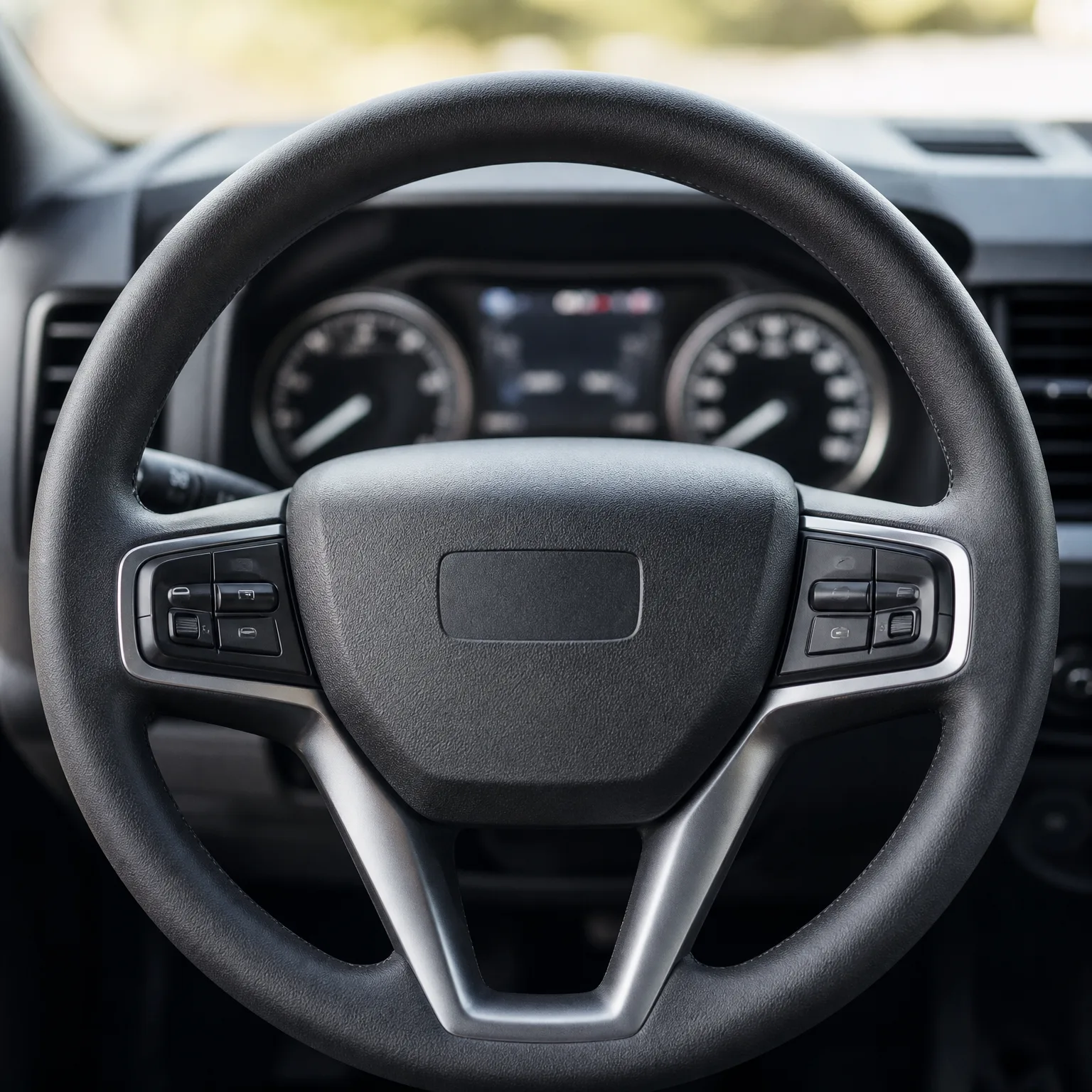
Driving a friend's car and causing a crash
Say you borrow a friend's car for a weekend trip and you rear-end someone at a stoplight. The other driver goes to the hospital with a neck injury and later sends a claim for medical bills and lost wages. Your friend's insurance is the primary coverage here because it follows the car, so their bodily injury liability is what responds first.
If their limit covers the full claim, that's the end of it for you financially. But if the claim is larger than their policy allows, you could be personally on the hook for the rest, since you were the one driving. This is exactly the gap a non-owner policy is built to catch, by adding another layer of bodily injury liability that applies to you no matter whose car you're in.
Does bodily injury coverage follow the car or the driver?
It mostly follows the car. The owner's policy is usually the first one that responds when their car is involved in an accident, regardless of who was behind the wheel, as long as that person had permission to drive it.
But your own coverage can still matter. If you have a policy of your own, including a non-owner policy, it can sit behind the car's coverage and pick up costs that exceed what the owner's policy pays. Whether that happens, and how the two policies interact, depends on the specific policies involved, so it's worth checking how your state and your insurer handle this before you assume you're fully covered either way.

Now that you know what bodily injury coverage actually protects, compare quotes to see what it costs to carry your own.

What to know before you drive someone else's car
- It pays for the other person Bodily injury coverage pays for injuries you cause to someone else, not for your own injuries. Check what covers you separately if you're hurt.
- Limits can run out Every policy has a limit, and a serious injury claim can exceed it. Ask the car owner what their limits are before you assume you're protected.
- You can be sued personally If a claim goes beyond the owner's policy limit, you can be held personally responsible for the rest. This is the main risk for anyone driving a car they don't own.
- A non-owner policy adds a layer A non-owner policy gives you your own bodily injury coverage that applies no matter whose car you're driving. It's worth having if you drive often but own nothing.
- Rules vary by state and insurer How two policies interact when both apply isn't the same everywhere. Ask directly how your state handles overlapping coverage before you rely on it.
Why bodily injury coverage works the way it does
Car insurance is built around the vehicle because that's the thing causing the risk. Insurers price a policy based on how the car is used and who's likely to drive it, so the coverage is attached to the car itself rather than to one specific person. That's why the owner's policy is usually the first to respond after an accident, even if someone else was driving.
But insurance also exists to protect people from the financial consequences of their own actions, which is why your own standing can still matter. If you cause an injury while driving, you were the one who created the liability, and the law generally allows an injured person to pursue whoever was responsible, not just whoever owned the car. That's the opening where a gap can appear.
The size of that gap depends on how much coverage the owner already has and how serious the injury is. Minor accidents rarely exceed anyone's limits, so the overlap never comes up in practice. Serious injuries, the kind involving long recovery or lasting harm, are where claims can grow large enough to pass through one policy and reach toward the driver personally.
This is also why people who drive regularly but don't own a car often look at coverage of their own. It's not about doubting the car owner's insurance, it's about making sure a bad day doesn't leave you exposed beyond what someone else chose to carry. How much that matters to you depends on how often you drive, whose cars, and what their coverage looks like, so it's worth asking rather than assuming.
The car owner's insurance protects you only up to their limit, after that, the exposure becomes yours.