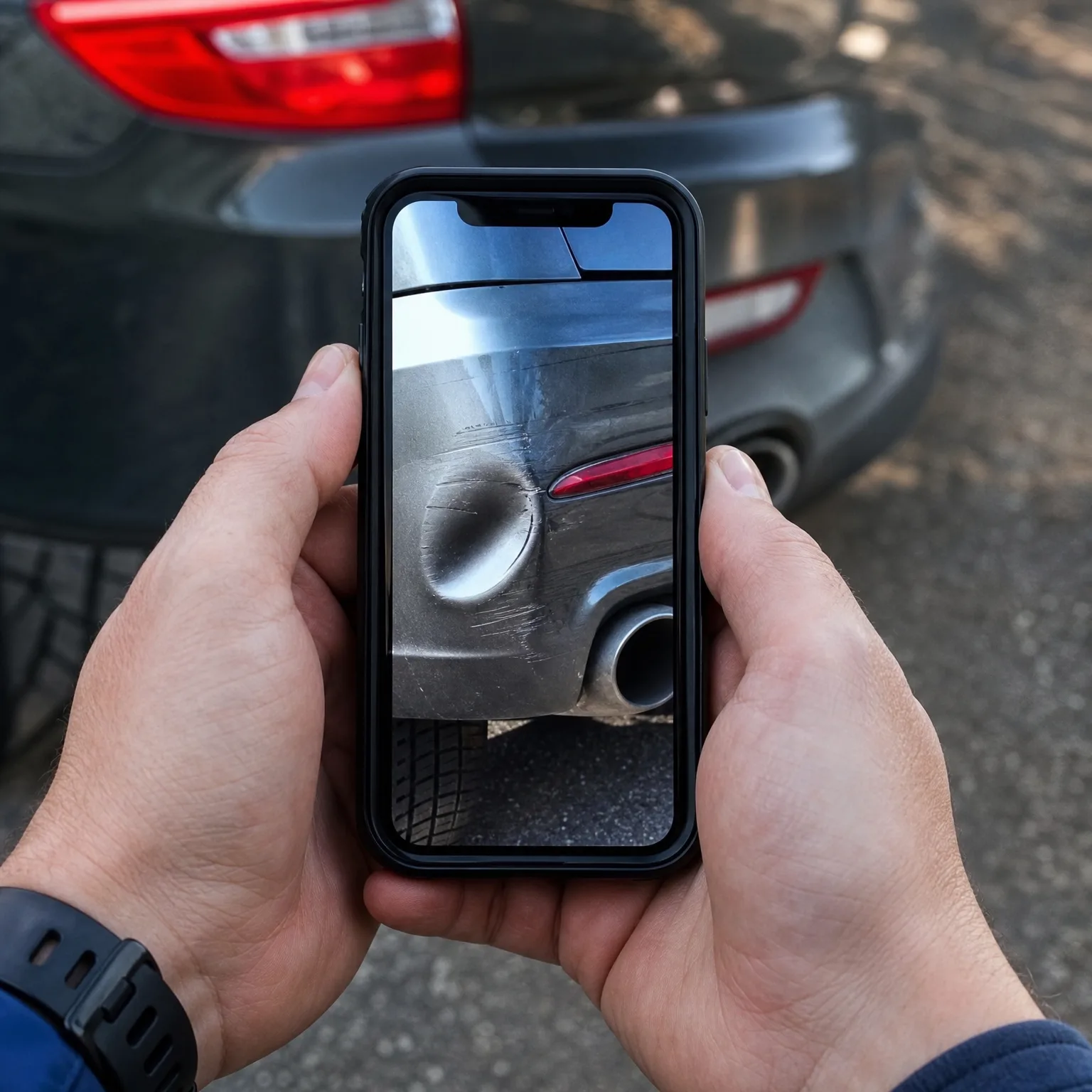
Can Roommates Share Car Insurance
Roommates can share one car insurance policy, but only if the policy is built around who actually owns and drives the car.
Insurance follows the car and the people tied to it
A car insurance policy is really an agreement about a specific vehicle and the people who have a reason to drive it. Insurers call this insurable interest, meaning you either own the car, are related to the owner, or live with them and regularly use it. Roommates qualify because they share a household, which is enough for most insurers to let them combine coverage on one car or list each other as drivers.
Where it gets complicated is ownership. If one roommate owns the car and the other just drives it sometimes, the easiest setup is one policy with the driving roommate listed as an occasional or named driver. If both roommates own cars, some insurers let you combine both vehicles under one policy with both people listed, which can simplify billing and paperwork.
The tricky cases are when roommates aren't related and one person's driving history is much worse than the other's. Insurers price the whole policy based on everyone listed, so a shared policy can raise costs for the roommate with the clean record. Some companies handle this better than others, so it's worth asking directly how they weigh mixed driving histories before combining.
What also varies is whether an insurer allows unrelated adults on the same policy at all. Some require a familial or legal relationship, others only require shared residence and insurable interest. This is a state and company question, not a universal rule, so check directly with the insurer before assuming it will work the way you expect.

The short version
Roommates can share one car insurance policy if they share a household and have a real reason to drive the car. Combining makes sense when it simplifies cost or paperwork, but one roommate's driving record can raise the other's rate. Check with the insurer whether they allow unrelated adults on one policy before assuming it's possible.
What happens if my roommate crashes the car I own?
If your roommate is listed on your policy as a driver, the claim is handled like any other claim. Your insurance responds first, covers the damage up to your policy's terms, and your roommate's driving history becomes part of your record going forward.
If your roommate was never listed and wasn't a regular driver, this gets more complicated. Insurers can deny or limit a claim if the person driving wasn't disclosed and should have been, especially if they drove your car often. This is exactly why listing a roommate who regularly drives your car matters, even if it feels like an extra step. It protects both of you if something goes wrong, and it avoids a dispute over whether the insurer should have known that person was driving.
Once you know whether to combine policies or list each other as drivers, compare quotes built around that choice.

Two roommates, one car, one shared policy
Mia owns a car and her roommate Jordan doesn't own one but borrows Mia's car two or three times a week to get to work. Mia called her insurer to ask whether Jordan needed his own policy or could be added to hers. The insurer explained that since Jordan lived with Mia and drove regularly, he had to be listed on her policy as a named driver, whether or not they combined billing.
They ended up keeping one policy with both of their names on it, since it was simpler than Jordan buying a separate policy for a car he didn't own. Jordan's driving record was clean, so adding him didn't raise the cost by much. A few months later Jordan was in a minor accident while running an errand in Mia's car, and because he was listed, the claim went through without any argument about who was supposed to be driving. If he hadn't been listed, the insurer could have treated the claim very differently.

What matters is who drives the car regularly, not who owns it, since that's what the insurer needs to know.
Can roommates get separate policies for the same car?
Not really, because a car insurance policy is tied to the vehicle, not to each person who might drive it. Only one policy typically serves as the primary coverage for a given car. If both roommates co-own the car, they can usually be listed together on one policy, but each getting a fully separate policy for the same single vehicle isn't how insurers structure coverage. If each roommate has their own car, then separate policies make sense, one per car.
Does adding a roommate to my policy raise my rate?
It depends entirely on their driving history. If your roommate has a clean record, adding them usually has a small effect, sometimes none at all. If they have accidents, violations, or a thin driving history, the policy price reflects that because insurers price the whole group of listed drivers together. Ask the insurer for a quote with your roommate listed before committing, so you know the real effect instead of guessing.
What if my roommate moves out and takes their car with them?
You'll need to update the policy right away, since it was written assuming a certain set of drivers and vehicles. If your roommate was a co-owner or had their own car listed, removing them usually lowers your cost and simplifies the policy back to your own car and driving history. Call the insurer as soon as the move happens rather than waiting, since an outdated policy can cause problems if you need to file a claim.