What Non Owner Policies Cover
A non-owner policy covers your liability when you drive a car you don't own, but it doesn't cover the car itself.
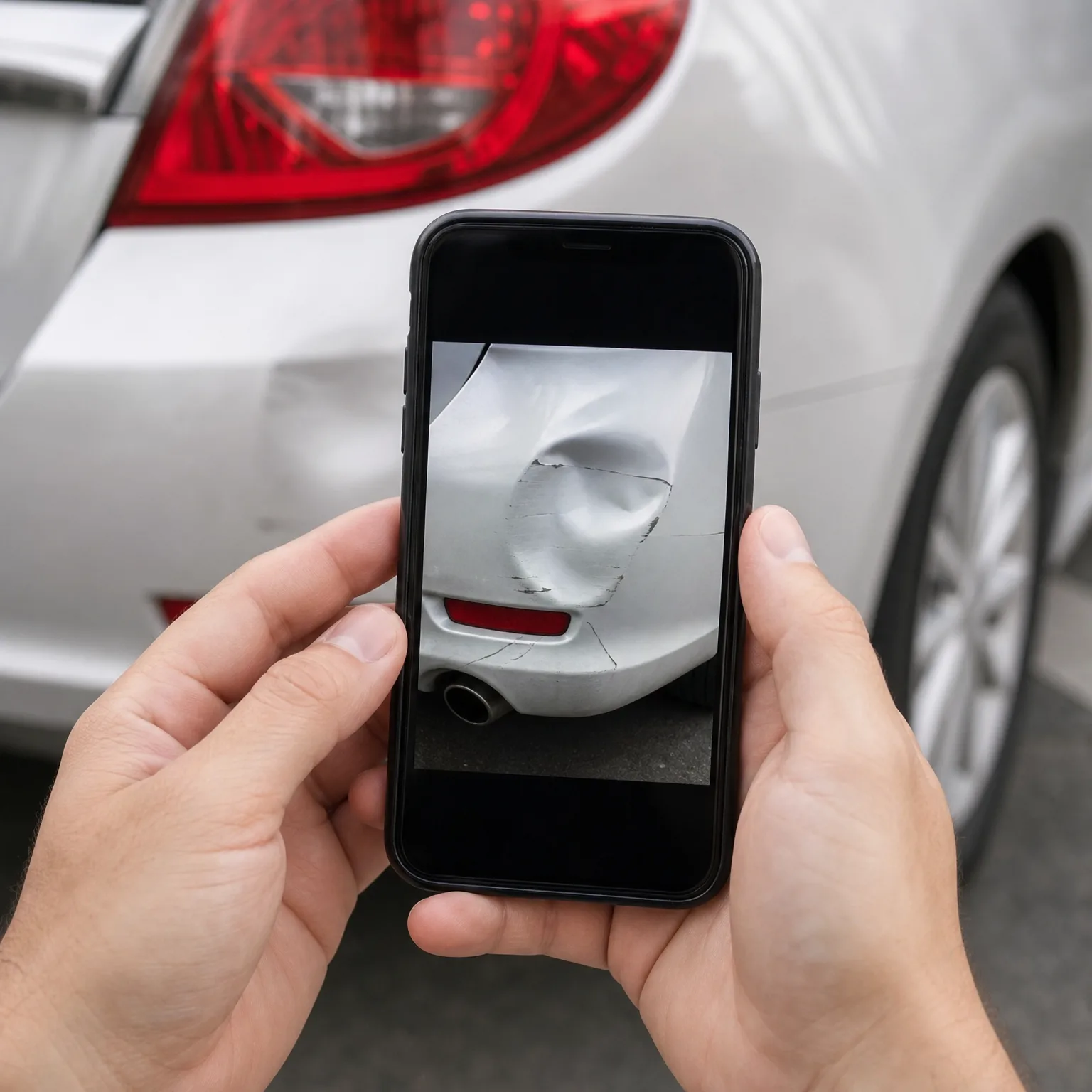
What a non-owner policy actually pays for
- Liability to others This pays for injuries or damage you cause to other people when you're driving. It's the core of the policy, so check the liability amount before you assume you're covered enough.
- Your legal defense If someone sues you after an accident, this helps cover your defense. It matters most when damage is serious and claims go beyond what the owner's insurance pays.
- Gap between cars This keeps your coverage history active while you don't own a car. Ask how continuous coverage is tracked, since insurers differ in what counts.
- Rental car use Many non-owner policies extend to rental cars, but not all do. Confirm this directly if you plan to rent, so you're not caught assuming coverage that isn't there.
- What it won't pay It usually doesn't cover damage to the car you're driving or your own injuries. Ask your insurer what's excluded so you know where the gap actually is.
Does a non-owner policy cover the car I'm driving if it's damaged?
Generally, no. A non-owner policy is built around your liability to others, not the physical car in front of you. If you damage the car you're driving, that cost typically falls to the owner's policy, specifically its collision or comprehensive coverage, not yours.
This is one of the most misunderstood parts of non-owner coverage. People assume because they have insurance, any damage is handled. But the policy follows your liability, not the vehicle. If the owner's policy has thin coverage or a high deductible, you could still end up financially exposed, even though you did everything right by getting insured.
If you drive a particular car often, ask the owner what their policy actually covers. That conversation tells you more about your real exposure than your own policy limits do. It also helps you decide whether you need any added protection beyond liability.

Now that you know what's covered, compare non-owner quotes to see what liability protection actually costs.
Why coverage splits this way
Insurance is built around risk, and the risk changes depending on what's being insured. A car itself represents a fixed, physical asset that belongs to someone specific. Your liability, on the other hand, follows you personally, wherever you drive and whoever's car you're in. Non-owner policies exist to cover that second kind of risk, the one attached to you as a driver, not to any one vehicle.
This is also why ownership usually drives primary coverage. The insurer covering the car has already priced in that vehicle's value, repair costs, and the usual drivers. When you borrow or rent that car occasionally, you're not part of that pricing. Your own policy fills the liability gap so you're not personally on the hook if something goes wrong while you're behind the wheel.
Where this gets complicated is when both policies could apply at once. If you cause an accident in a borrowed car, the owner's insurer often pays first, since the policy is tied to the vehicle. Your non-owner policy can then apply on top, covering liability that exceeds what the owner's policy pays, or stepping in if their coverage lapses. The order and overlap depends on your insurer and sometimes on your state, so it's worth asking directly how claims would be split if it ever happened.
The exclusions make more sense once you see this structure. A non-owner policy isn't incomplete, it's doing one job well, which is protecting you personally. If you want protection for a specific car's physical damage, that has to come from whoever insures the car itself.
The car's insurance protects the car. Your policy protects you. Different jobs, not one overlapping promise.
Can I add comprehensive coverage to a non-owner policy?
Usually not, since non-owner policies are built around liability rather than vehicle damage. Comprehensive and collision coverage are tied to a specific car's value, and a non-owner policy isn't attached to any one vehicle. If you need that kind of protection, it typically has to come from the car owner's policy. Ask your insurer directly, since options can vary, and some may offer limited add-ons depending on how often you drive.
Does my non-owner policy cover me in someone else's car in another state?
Generally yes, since liability coverage usually travels with you across state lines. But coverage amounts and legal requirements differ by state, so what satisfies one state's minimum might not satisfy another's. If you regularly drive in a different state than where your policy is written, check with your insurer so you know exactly how your coverage applies there.
What happens if the car I borrow doesn't have insurance at all?
Your non-owner policy still covers your liability, but you could be more exposed overall. Without the owner's policy backing up the vehicle, there's no primary coverage absorbing part of the claim first. This raises your personal risk even with your own policy in place. Before borrowing a car regularly, ask the owner directly whether their insurance is active and current.