What Does 100k CSL Mean in Insurance
100k CSL is one shared pool of coverage that pays out for any mix of injury or property damage from an accident, up to its stated limit.

What 100k CSL actually changes for you
- One pool, not three Instead of separate limits for one person's injuries, all injuries, and property damage, every claim draws from the same shared amount. Check your policy to see if it lists one number or three.
- Flexible when claims are uneven If one person is badly hurt and property damage is minor, CSL lets more of the limit flow where it's needed. With split limits, money stuck in one category can't cover another.
- Can run out faster Because everyone draws from the same limit, a serious multi-person accident can use it up quicker than you'd expect. If you drive a borrowed car often, ask how their limit is structured.
- Compare structures, not numbers A 100k CSL policy isn't automatically better or worse than a split-limit policy with a similar total. Line up what each would actually pay in a typical accident before deciding which matters more.
- Matters more without a car You may be relying on the car owner's limit, or buying your own non-owner policy with its own structure. Ask which kind applies before you assume you're covered the way you think.
A borrowed car, a rear-end accident, one shared limit
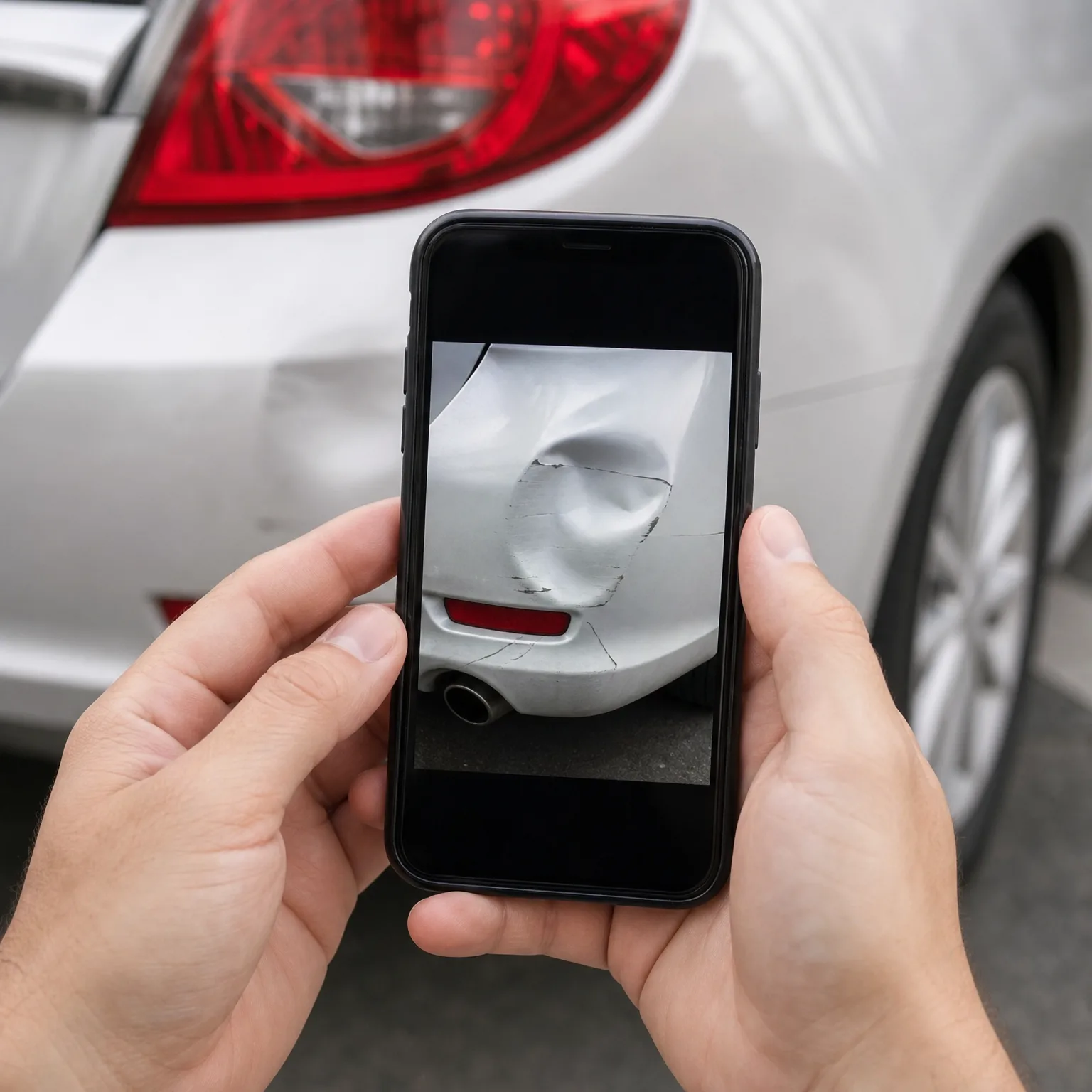
You borrow a friend's car for the weekend and get rear-ended at a light, except the other driver swerves and also clips a parked car before stopping. Your friend's policy has 100k CSL. The parked car's owner files a claim, the driver you hit pursues a minor injury claim, and suddenly there are two separate payouts coming from the same single limit.
Because it's CSL, the insurer doesn't need to worry about separate caps for injury versus property damage. It just pays out of the shared 100k until either the claims are settled or the limit is gone. In this case the total claims come in well under the limit, so everything gets paid without issue. But you walk away understanding that if the accident had been worse, with more people hurt, that single shared number would have had to stretch further than you expected, and that's exactly the tradeoff CSL involves.

Now that you know what 100k CSL covers, compare quotes to see how it stacks up against split-limit options.

Should you ask whether your coverage is CSL or split limits
If you do
You'll know exactly how your limit behaves in a bad accident, whether it flexes across claims or is locked into separate categories. That lets you judge if the number alone tells you enough, and whether you need higher coverage given how often you drive borrowed or rented cars.
If you don't
You might assume a 100k limit always works the same way everywhere, when it doesn't. If you're ever in a serious accident involving multiple people or heavy property damage, you could be surprised by how quickly a shared limit gets used up compared to what you expected.
Why insurers use one shared number instead of three
CSL exists because splitting a limit into fixed categories, like per-person injury, per-accident injury, and property damage, assumes accidents always divide neatly into those boxes. They don't. A single bad accident might injure one person badly and barely touch their car, or total several vehicles while hurting no one. A combined limit lets the same total dollar amount move to wherever the actual damage is, instead of leaving money stranded in a category nobody needed.
The tradeoff is that nothing stops a severe accident from draining the whole shared pool. Under split limits, even if one category maxes out, the others still have their own separate money. Under CSL, every claim pulls from the same bucket, so the total exposure in a catastrophic accident is really just that one number, not the sum of several.
Which structure a policy uses, and what the actual number is, depends on the insurer and sometimes on the state's minimum requirements. Some states nudge insurers toward one format or the other, and some insurers offer both as options. That's why you shouldn't assume a number means the same thing from one policy to the next. Always check whether the declarations page lists one figure or three.
For someone who doesn't own a car, this matters because you may not get to choose the structure. If you're driving a borrowed car, you're relying on whatever format the owner's policy uses. If you're buying your own non-owner policy, you can ask what structure it offers and choose the one that fits how you drive.
A coverage number means little until you know if it's shared across claims or split into separate buckets.