Is Non Owner Insurance Full Coverage
No, non-owner insurance is liability only, it doesn't include the comprehensive or collision coverage that people mean by full coverage.
Why it only covers liability, not the car itself
Full coverage, the kind with comprehensive and collision, pays to repair or replace a specific car. Insurers calculate that coverage based on the vehicle's value, its age, and how it's used. A non-owner policy isn't attached to any vehicle, so there's nothing for comprehensive or collision to measure against. The coverage exists to protect you, the driver, not a car you don't own.
What a non-owner policy does cover is your liability. If you cause an accident while driving a borrowed or rented car, it pays for the other person's injuries or property damage up to your policy's limits. That matters because the car owner's insurance is supposed to be the first line of coverage, but it can fall short, especially if you cause damage that exceeds their limits or if their policy excludes certain drivers.
Some insurers let you add extra protections to a non-owner policy, like coverage for medical payments or uninsured motorist protection. These aren't the same as comprehensive or collision, but they expand what the policy handles beyond basic liability. What's offered varies by insurer, so check what's actually available before assuming a non-owner policy is bare bones.
The exception is rental cars. Some non-owner policies offer limited protection for a rental vehicle itself, but it's not automatic and it's not the same as owning full coverage. If you rent often, ask directly whether that protection is included or has to be added.
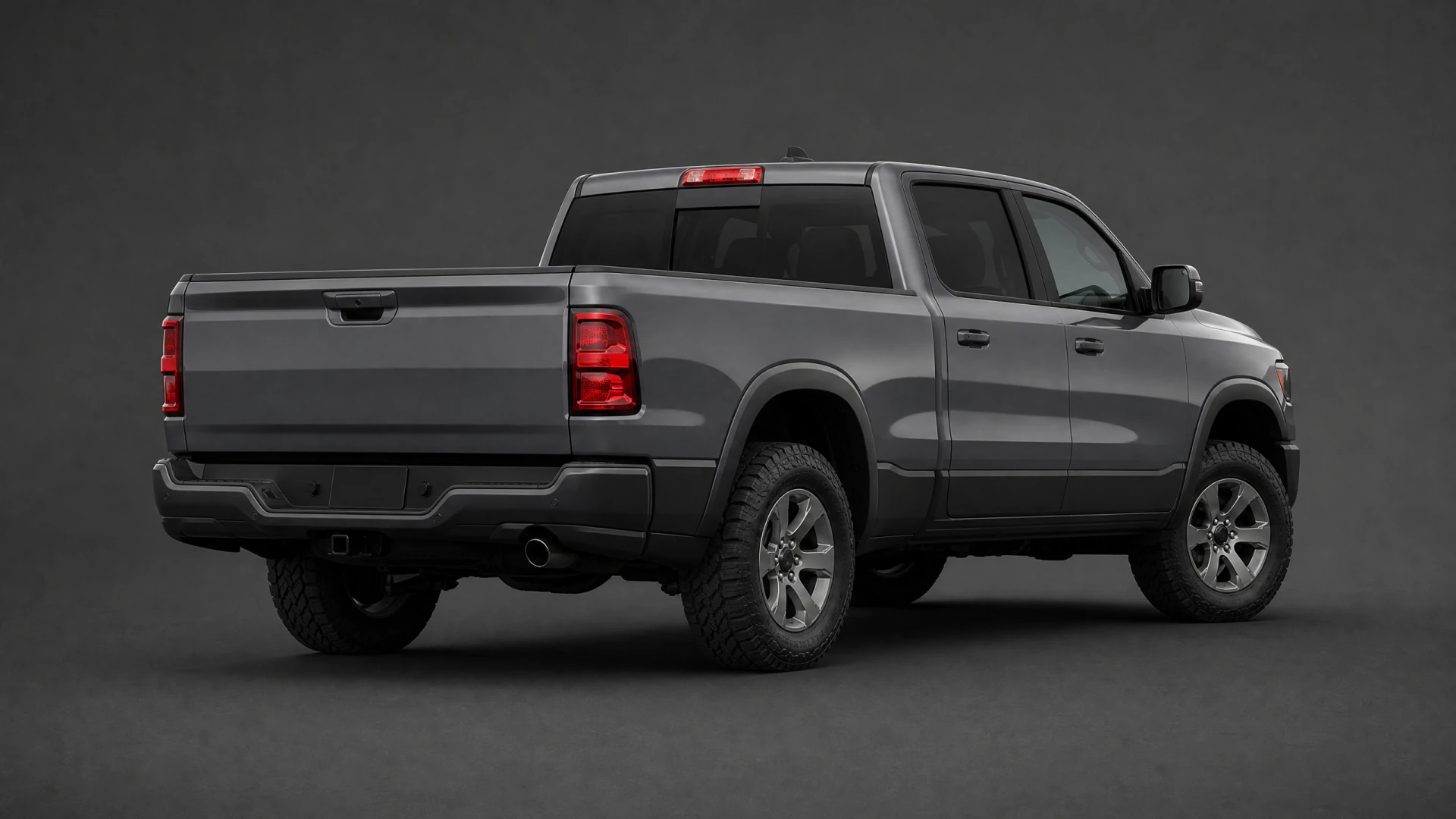
The short version
No, non-owner insurance is liability only, it won't pay to repair or replace a car you're driving. It exists to cover damage you cause to others, not the vehicle itself. If you want protection for the car, check whether the owner's policy covers it or whether a rental company's coverage applies.
Borrowing a relative's car for a few months
Say you're staying with a relative for a while and driving their car regularly, but you don't own it and won't be buying one soon. You get a non-owner policy because their insurance technically covers the car, but you want your own liability protection in case you cause an accident that exceeds their limits or triggers a dispute about who was really responsible. The policy costs you something monthly, but it's liability only, so you ask directly whether it covers damage to the car itself if you're at fault.
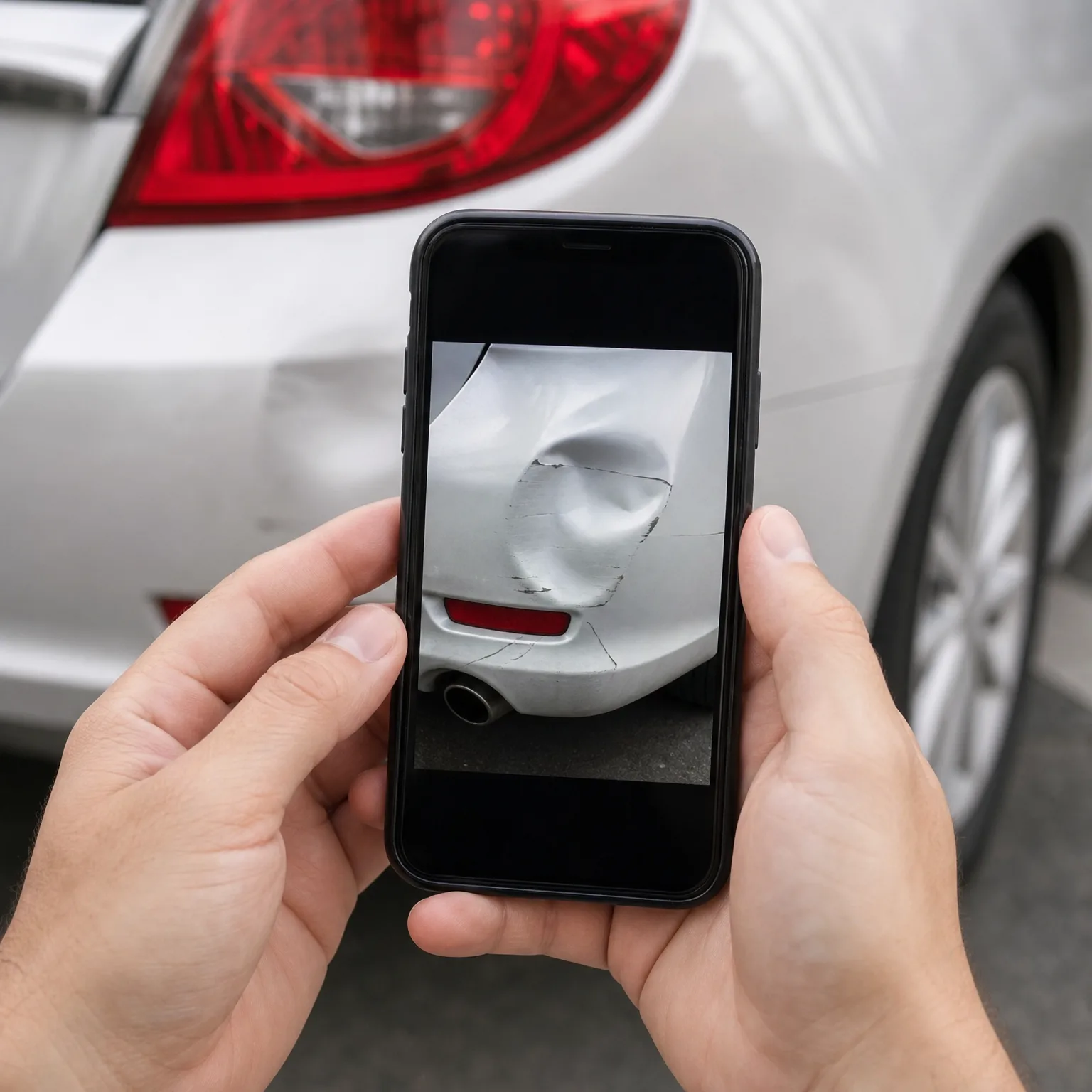
The answer is no. If you dent the car backing out of a driveway, your non-owner policy doesn't pay for that repair, only the relative's own collision coverage would, if they have it. You check with them and learn their policy does include collision, so the car itself is protected. Your non-owner policy is there for the other scenario, if you hit another car or someone's property, your liability coverage responds first and protects you personally. Knowing the difference going in means no surprises later.
Compare non-owner policies now that you know it's liability only, not coverage for the car itself.

What a non-owner policy actually does for you
- Covers your liability It pays for injuries or damage you cause to others while driving a car you don't own. Check your limits match what you'd need if a serious accident happened.
- Skips comprehensive, collision It won't pay to fix or replace the car you're driving, no matter who's at fault. Ask the car's owner whether their own policy includes that protection.
- Fills gaps owner's policy leaves If the owner's limits are low or they exclude certain drivers, your policy can still respond. Check their coverage first so you know where the real gaps are.
- May add uninsured motorist cover Some insurers let you add protections beyond basic liability. Ask what's available, since it's not the same at every company.
- Sometimes covers rental cars A few non-owner policies include limited protection for a rental vehicle itself. Confirm this directly if you rent often, since it isn't automatic.
The owner's insurance protects the car, your policy protects you, know which is which before you drive.