Car Insurance After Returning a Lease
Once the lease is gone, you still need coverage for whatever you drive next, even if that's only occasionally.
What to settle once the lease car is gone
- Cancel the old policy properly Call your insurer and give them the exact return date so coverage ends cleanly. Don't let it lapse on its own or you may still owe for days you didn't drive.
- Know what you're driving now If you're borrowing cars, renting sometimes, or driving someone else's regularly, your coverage needs look different than a standard policy. Decide this before you shop for anything.
- Consider a non-owner policy If you don't own a car but still drive one now and then, this type of policy covers your liability wherever you're behind the wheel. Ask any insurer if they offer it.
- Protect your coverage history Insurers look at whether you've carried continuous coverage when they price your next policy. A gap, even a short one, can make you look like a bigger risk.
- Check proof of coverage rules Some states or situations require ongoing proof of insurance even without a car. Check your state's rules before assuming you're free of that requirement.
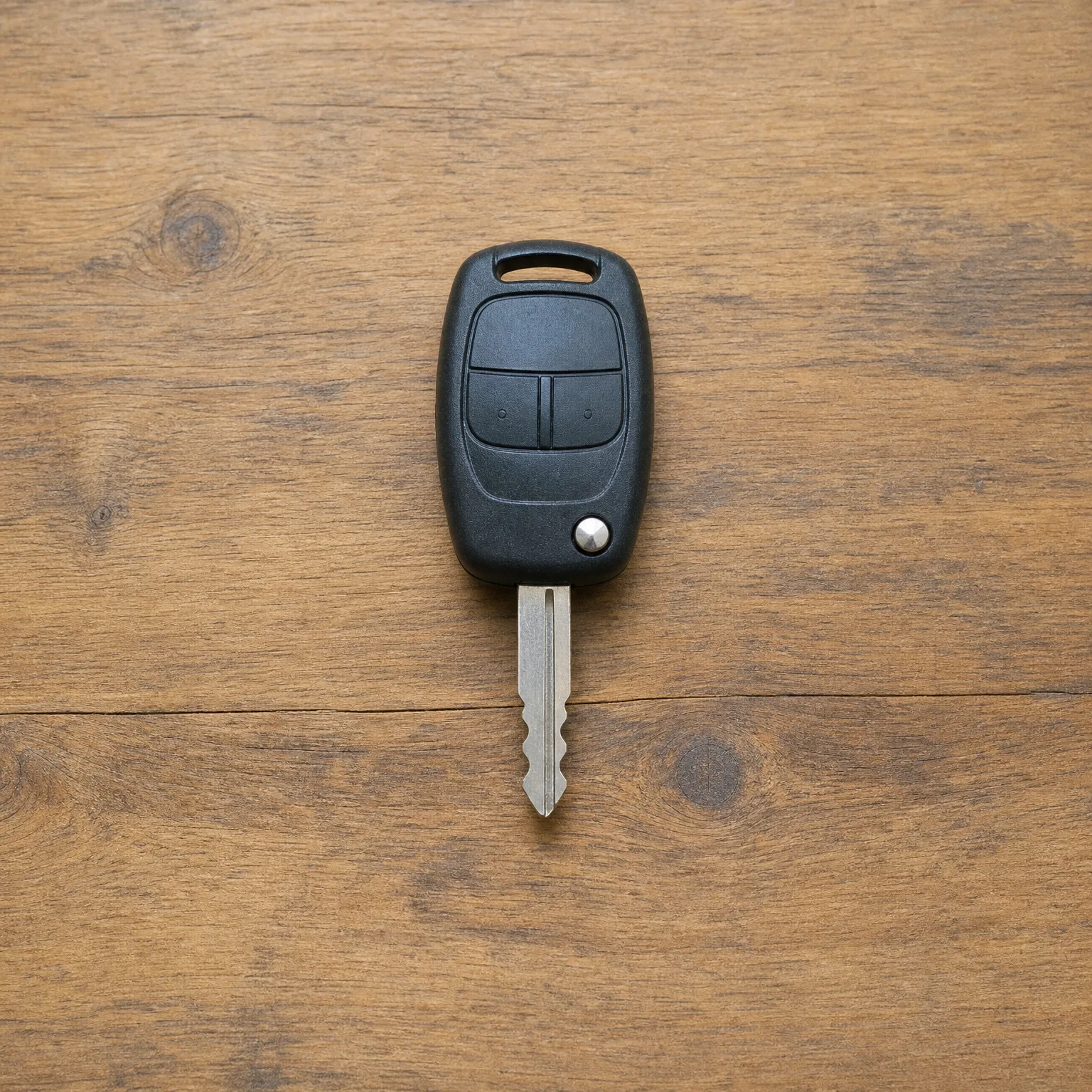
Returning a lease with no new car lined up yet
Someone turns in their leased car at the end of the term and isn't ready to buy or lease another one right away. They plan to borrow a parent's car on weekends and rent one for an upcoming trip. Their instinct is to just cancel the lease policy and deal with insurance later, whenever the next car shows up.
Instead they call their insurer before the return date and ask what happens if they're not driving their own car for a while. The agent explains a non-owner policy, which covers their liability when they drive a borrowed or rented car, and which also keeps their coverage history unbroken. They set it up to start the day after the lease ends. Months later, when they finally get a new car, their quote comes in lower than it would have otherwise, because there's no gap in their record and no scramble to explain one.
Do you need your own insurance if you're just borrowing cars for now?
Yes, if you plan to drive with any regularity. The car owner's policy covers the car itself, but their insurer may limit how often you can drive it under their coverage before they expect you to have your own. If something goes wrong, you want protection that follows you, not just whichever car you happen to be in that day.
A non-owner policy fills this role. It's built for people who drive without owning, and it covers your liability no matter whose car you're in. It also means your coverage never lapses, which matters the next time you do buy or lease. If you only borrow a car once or twice a year, this may matter less, but check with the owner's insurer either way.
Now that you know what kind of coverage fits your situation, compare quotes to see what it actually costs.

Should you get a non-owner policy after your lease ends
If you do
You stay covered no matter whose car you're driving, your coverage history stays unbroken, and your next policy will likely cost less because there's no gap to explain. You also meet any state requirement to carry proof of insurance.
If you don't
You're relying entirely on the car owner's policy, which may not fully protect you if you're at fault. Your coverage history breaks, which can raise your rates later. If your state requires continuous proof of insurance, you could run into problems.
How long can you go without a car before insurance rates go up?
There's no fixed point where this happens, but the longer the gap, the more it tends to matter. Insurers look at whether your coverage was continuous, not just how long ago it lapsed. Check with insurers directly, since some weigh gaps more heavily than others, and a short gap of a few weeks is treated very differently from one lasting many months.
Does renting a car require its own insurance after a lease ends?
Not necessarily, but it depends on what coverage you already have. A non-owner policy can extend to rental cars, and some credit cards offer rental coverage too. Check your non-owner policy's terms and your card's benefits before assuming you're covered, since rental companies will ask for proof one way or another.
What happens if you drive someone else's car without being on their policy?
You can usually still be covered, since insurance typically follows the car rather than the driver, but this isn't guaranteed. Check the owner's policy for exclusions, especially if you drive that car often. If you're not listed and drive regularly, the insurer may consider you an excluded driver, which changes everything if there's a claim.