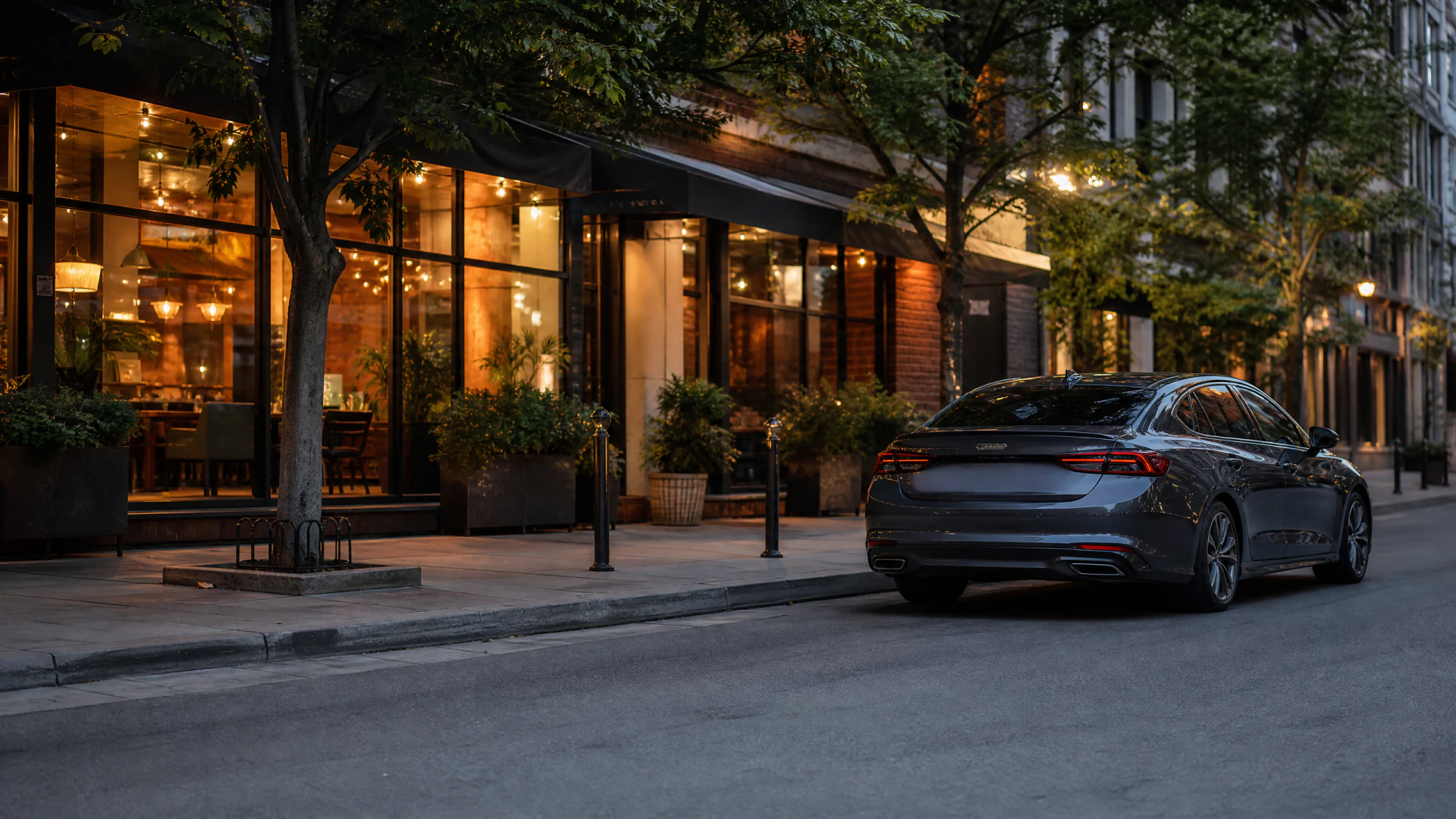
Between Cars and Insurance
A non-owner policy can cover you between cars, filling the gap your old policy left behind.
Why coverage follows the car, but you still need your own
Insurance is built around the vehicle first. The policy on a car pays for damage and injury connected to that car, no matter who's driving, as long as that person has permission. That's why people assume they're fine borrowing a car now and then. But that same structure means once you stop owning a car, you stop having a policy of your own, even though you still drive sometimes.
The owner's insurance is your first layer of protection when you're behind the wheel of their car. It typically responds first if something happens. The trouble is layers run out, and when they do, whatever is left lands on you personally. If you don't have a policy of your own standing behind you, you're exposed to that gap directly, out of your own pocket.
This is the problem a non-owner policy solves. It's built for exactly your situation, someone who drives without owning, and it adds a layer of liability coverage that follows you instead of a car. It steps in after the car owner's policy, or stands in when the person who owns the car you drove has thin coverage or none at all.
Where this gets complicated is that rules about how these policies work, what they require, and how they interact with an owner's policy differ by state and by insurer. Some states treat permitted drivers more generously than others. Some insurers write non-owner policies broadly, others narrowly. Check both before you decide, because the exact protection you're getting depends on where you live and who you buy from.
What happens if I'm in an accident driving someone else's car?
The car owner's insurance is usually the first to respond, since coverage is generally tied to the vehicle. If damages or injuries stay within what that policy covers, that may be the end of it for you financially.
But if costs go beyond what the owner's policy pays, or if the owner's coverage is limited, the remaining amount can become your personal responsibility. That's the exposure a non-owner policy is meant to catch. Without it, you're relying entirely on someone else's coverage limits to protect your own finances, in a situation you don't control.
You're not covered because you drive carefully. You're covered, or not, because of whose policy is behind you.
Once you know whether you need your own coverage layer, compare non-owner quotes to see what closing the gap costs.

What to check before you decide if you need a policy
- How often you actually drive Occasional driving still carries real risk every time you're behind the wheel. If you drive more than rarely, that risk adds up and a policy of your own is worth pricing out.
- Whose car you usually drive If it's always the same person's car, ask what their policy actually covers for other drivers. That tells you how much of a gap you might be carrying.
- Why you need proof of insurance Some filing or licensing requirements need continuous proof of coverage, not just access to someone else's car. Check what your specific requirement calls for.
- Cost of a coverage gap Insurers often look at whether you've carried continuous coverage when they price your next policy. A gap now can mean a higher cost later.
- What the policy covers These policies typically cover liability tied to you, not damage to a car you don't own. Read what's included before assuming it covers everything.
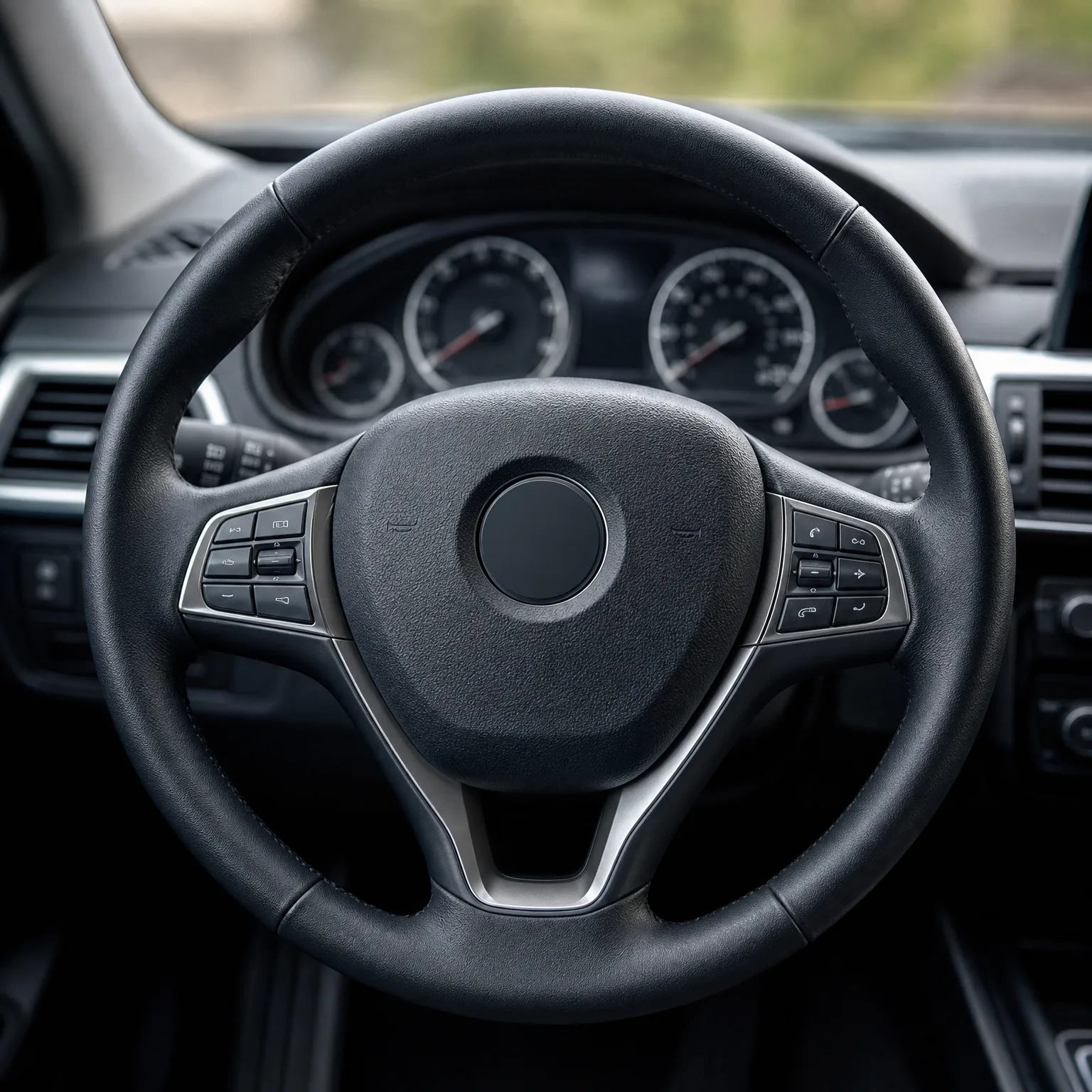
Driving a parent's car between your own cars
Say you sold your car and moved to a city, planning to buy another one in a few months. In the meantime you borrow your parent's car most weekends to visit friends outside the city. You assume their insurance has you covered, and for the most part it does while you're driving. But you start wondering what happens if you're in a serious accident and the costs go beyond what their policy pays.
You look into a non-owner policy and realize it's built for exactly this stretch of time, when you drive sometimes but own nothing. You buy one with liability coverage that follows you personally, regardless of whose car you're in. A few months later you're rear-ended while driving your parent's car on the way home. Their insurance handles the other driver's claim first, but a secondary cost comes back that exceeds their policy limit. Your own policy picks up the remainder, and you also walk away with unbroken coverage history once you buy your next car.