What to Avoid When Renting a Car
The biggest mistake is buying coverage the counter sells everyone, without checking what you already have.
Why rental counters push coverage you may not need
Rental counters make money on add-on coverage, so the person helping you is also selling to you. That's not dishonest, it's just the job, and it means the default pitch is built for someone with no coverage at all, not for you.
If you carry a non-owner policy, it typically follows you into a rental car the same way it would if you borrowed a friend's car, covering liability in a crash. What it usually won't cover is damage to the rental car itself, which is a separate kind of protection than liability. That gap is exactly what rental counters are selling, so the real question isn't whether to buy coverage, it's which piece you're actually missing.
Credit cards complicate this further because many offer some damage protection on rentals, but the terms vary a lot by card and by issuer. Some only cover certain car classes, some require you to decline the rental company's own damage waiver first, and some exclude certain countries or longer rentals. You have to check your specific card's terms, not assume the category of card guarantees anything.
Where this plays out differently is international rentals, where your non-owner policy may not apply at all, and local law may require specific coverage regardless of what you have at home. That's the one case where buying the counter's coverage often isn't optional, it's the only coverage you'll have.
Does my non-owner policy cover a rental like it covers a friend's car?
Mostly yes, for liability. A non-owner policy is built to follow you rather than a specific car, so when you're at fault in a rental and someone else is hurt or their property is damaged, it typically responds the same way it would if you'd borrowed a car from a friend.
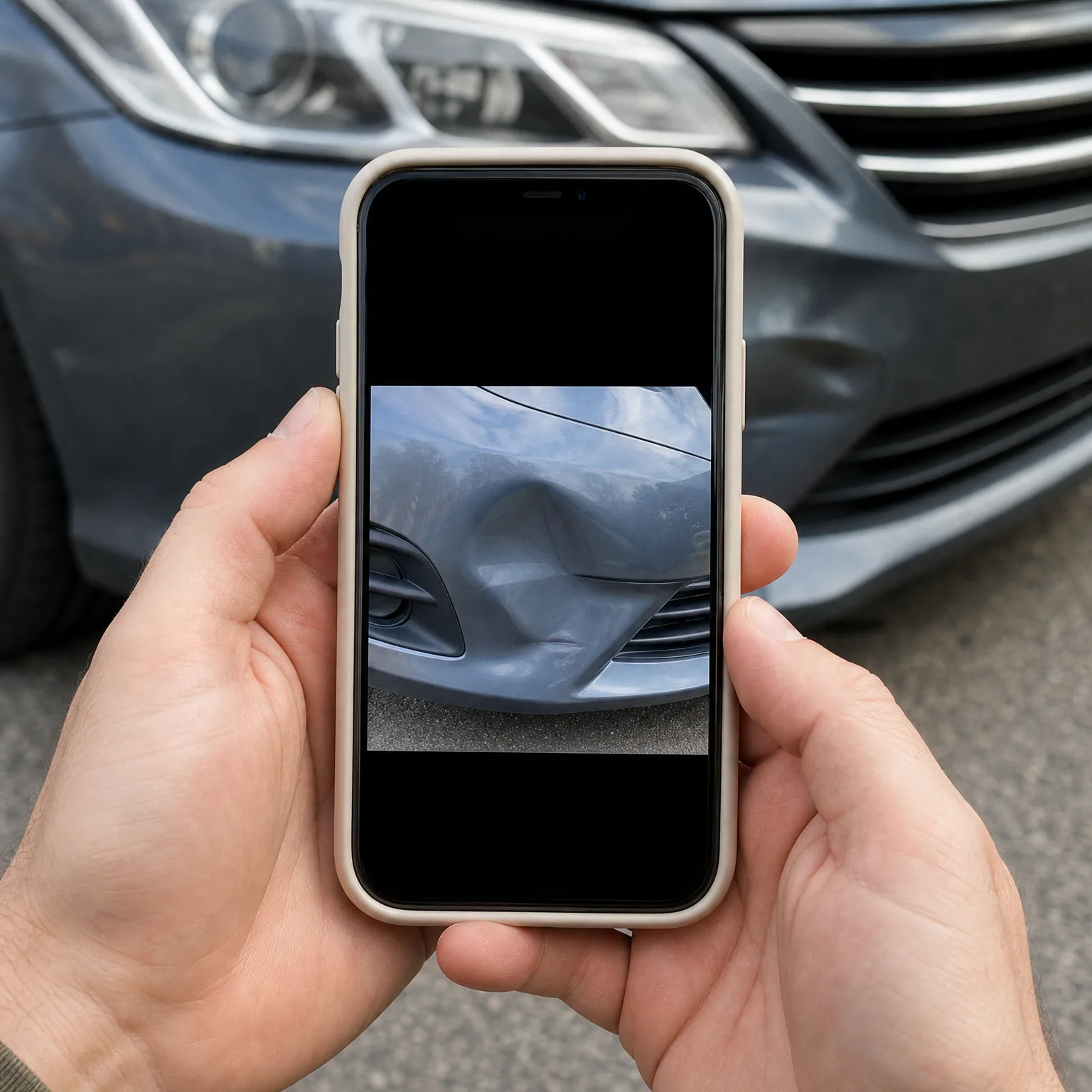
What it won't do is pay to repair or replace the rental car itself if you damage it, because that's physical damage coverage, not liability, and most non-owner policies don't include it. That's the piece you need to source separately, either through a credit card benefit or the rental company's own damage waiver. Check your policy's declarations page or call your insurer to confirm before you travel, since this is one of the places where policies genuinely differ.

Once you know what your policy covers in a rental, compare quotes to make sure that protection travels with you.
What trips people up when they rent a car
- Duplicate liability coverage If your non-owner policy already covers liability in a rental, paying the counter for the same thing wastes money. Check your policy first, then only fill the actual gap.
- Assuming your card covers it all Credit card rental protection often excludes certain cars, countries, or rental lengths. Read your card's benefit terms before you count on it.
- Skipping damage coverage Liability from your non-owner policy won't pay to fix the rental car if you damage it. Decide how you'll cover that gap before you drive off the lot.
- Treating every country the same Your non-owner policy may not apply outside your home country, and local rules can require specific coverage. Check before an international rental, not after.
- Unlisted drivers If a friend or partner drives the rental without being listed, coverage can be denied entirely. Add every driver who might touch the wheel.
You're not choosing whether to have coverage, you're choosing which gap your existing coverage leaves open.
Do I need the rental company's damage waiver if I have a non-owner policy?
Often yes, because the waiver covers damage to the car itself, which most non-owner policies don't include. Your policy typically handles liability if you hurt someone or damage their property, but not repairs to the rental. Check your card's benefits too, since some cards cover this instead. If neither your policy nor your card covers vehicle damage, the rental company's waiver is likely the only thing standing between you and the full repair cost.
Does my non-owner policy cover rentals in another country?
Usually not, and this is one of the biggest gaps people miss. Non-owner policies are generally written for use within your home country, so crossing a border can mean you're driving with no liability coverage at all unless you check first. Call your insurer before an international trip and ask specifically about the countries you're visiting. If coverage doesn't extend there, plan to buy protection through the rental company instead.
What happens if I let someone else drive the rental car?
It depends entirely on whether that person is listed as an authorized driver on the rental agreement. If they're not listed and they're driving when something happens, the rental company can deny the claim and your own coverage may not step in either. Add anyone who might drive at the counter, even briefly, and confirm with your insurer whether your non-owner policy extends to drivers other than you.