What Does Non Owned Coverage Mean
Non owned coverage means your own policy pays for liability when you're driving a car that isn't yours.

What non owned coverage actually covers
- Liability, not damage It pays for injury or damage you cause to others while driving a borrowed or rented car. It won't fix the car you're driving, so check if you need separate coverage for that.
- Backup to the owner's policy The car owner's insurance pays first in most cases. Your non owned policy fills gaps or steps in if their coverage runs out or doesn't apply.
- Only for cars you don't own It's meant for people who drive regularly but don't have a car registered in their name. If you buy a car, you'll need a standard policy instead.
- Doesn't follow a specific car The coverage follows you, not any one vehicle, so it applies whenever you're behind the wheel of a car you don't own. Confirm with your insurer which situations count.
- Rules vary by insurer What counts as regular use versus occasional borrowing differs by company and state. Ask directly so you know before you need it, not after.
Does non owned coverage protect the car I'm driving?
No, and this is the part people get wrong most often. Non owned coverage is liability insurance. It pays if you injure someone or damage their property while driving a car that isn't yours. It does not pay to repair or replace the car you were driving, no matter who's at fault.
If you want protection for the vehicle itself, you need to look at the owner's policy for collision or comprehensive coverage, or ask your insurer if there's a separate option for physical damage. Most non owned policies don't include it by default.
This matters most if you drive a borrowed car often. A fender bender could leave you owing nothing to the other driver but still responsible for the damage to the car you were in, depending on what the owner's policy covers and what agreement you have with them.

Getting non owned coverage before you need it
If you do
You're covered the moment you're at fault, even in a car you've never driven before. Claims go through your own insurer, so you're not waiting on someone else's policy to respond or arguing over whose coverage applies first.
If you don't
You're relying entirely on the car owner's policy and your own personal assets if their coverage falls short. One bad accident in someone else's car could leave you personally responsible for costs their insurance doesn't fully cover.
Compare non owned coverage quotes now that you know what it does and doesn't pay for.
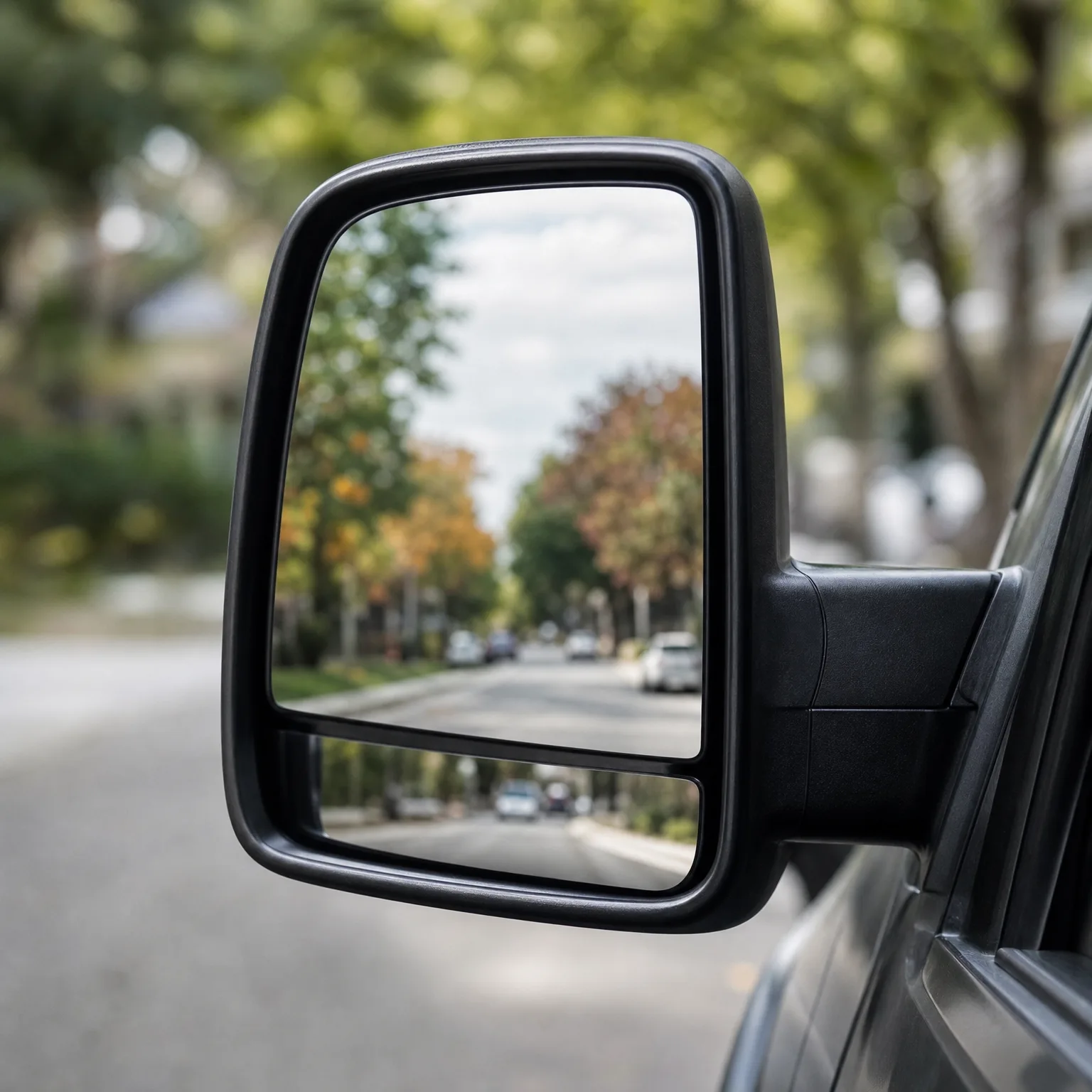
Borrowing a friend's car for a weekend trip
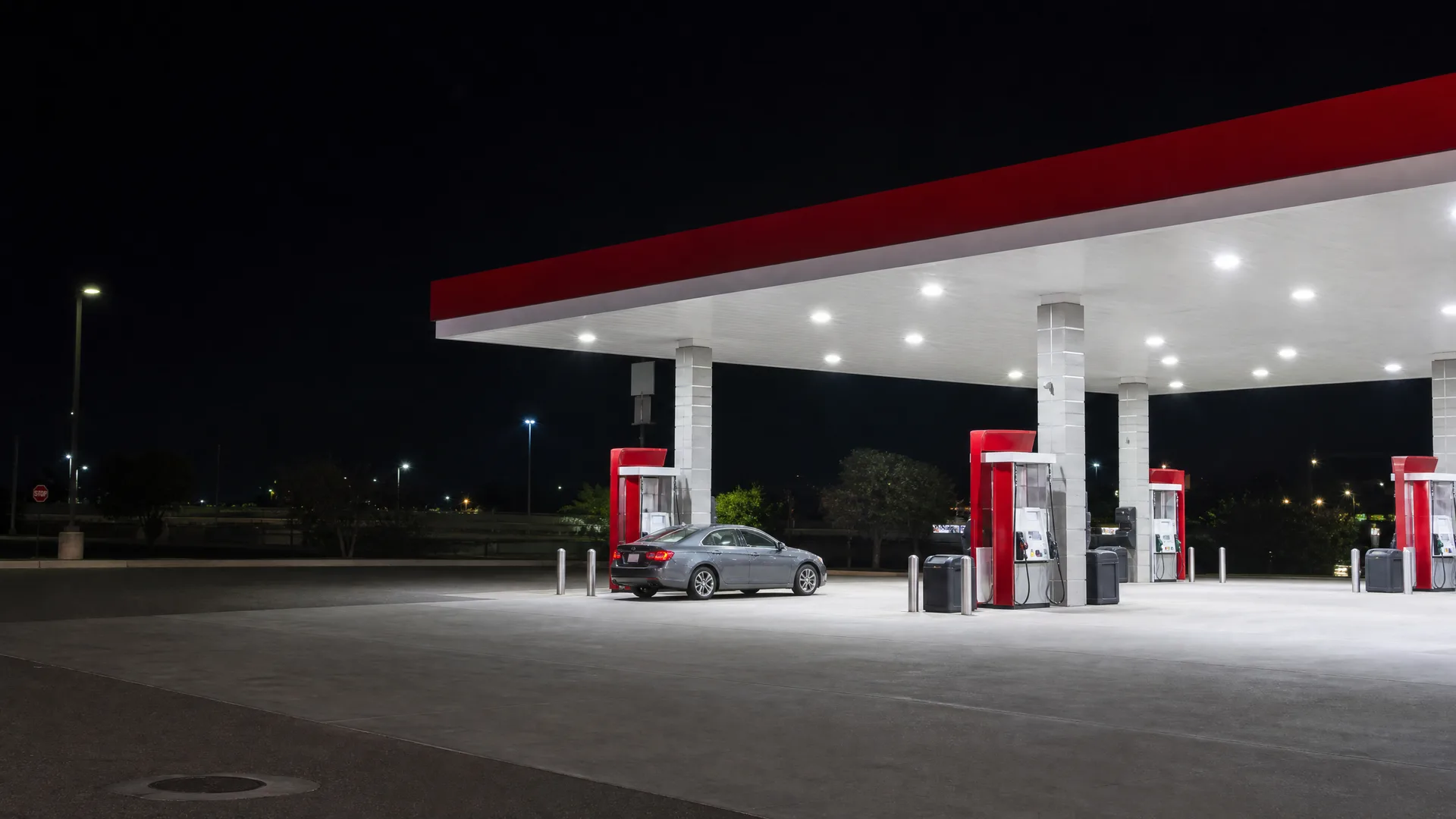
Say you borrow your sister's car for a weekend because yours is in the shop, or you don't own one at all. On the highway, you merge into another car and it's your fault. The other driver's medical bills and repair costs are significant, more than your sister's liability limits cover.
Her insurer pays up to her policy limit, then stops. Without your own non owned coverage, you're personally on the hook for the rest, potentially facing a lawsuit over the difference. If you'd had a non owned policy, it would have stepped in once her coverage was used up, paying the remaining liability so you weren't exposed. Her policy still covers damage to her own car, since that's a separate question from liability to the other driver. The trip ends with a repair bill and a claim, but how exposed you are personally depends entirely on whether you had that backup in place before you borrowed the car, not after the accident already happened.
The owner's insurance protects their car. Your own liability coverage is what actually protects you.