What Does Lapse in Coverage Mean
A lapse is any stretch without an active policy under your name, and it can matter even if you never owned the car.
Why insurers treat a gap as a warning sign, not just a technicality
Insurance works by pooling risk over continuous time. Insurers price your policy partly on the assumption that you've been covered right up until now, because that history tells them something about how consistently you manage risk. When there's a gap, that assumption breaks, and they can no longer tell whether you went without coverage because you didn't need a car, or because you were avoiding something riskier like a suspended license or unpaid claim.
This is why a lapse often raises your next premium even if nothing happened to you personally during the gap. The insurer isn't punishing you for an accident. They're pricing in the uncertainty created by the missing information. A driver with a continuous record is a known quantity. A driver with a gap is not, and insurers charge more to cover that unknown until you rebuild a track record.
For someone who drives but doesn't own a car, this gets more specific. If you're regularly behind the wheel of a car that isn't yours, your coverage usually comes from whoever owns that car, not from you. That means you might not be personally tracked as lapsed the way a car owner would be, but it also means you have no policy history of your own building up in the background. If you ever need to buy a policy in your own name, insurers may see a blank record rather than a continuous one, and a blank record can be treated similarly to a lapse depending on the insurer.
What counts as a lapse, how long it has to last to matter, and how much it affects pricing all vary by insurer and sometimes by state. Some insurers forgive very short gaps. Others look only at the last year or two. Check with any insurer you're considering before assuming the worst, because the rules aren't universal.
Does driving someone else's car without your own policy count as a lapse for you?
Generally no, not in the way it would for a car owner. If you drive a friend's or relative's car with their permission, their policy is usually the one responding to a claim, and nothing is technically lapsing on your end because you never had a policy to lapse.
The catch is that you also aren't building a personal insurance history this way. When you eventually apply for your own policy, whether because you buy a car, need proof of coverage for a license requirement, or just want your own protection, the insurer may see no record of continuous coverage under your name. Depending on the insurer, that absence can be treated like a lapse even though you did nothing wrong. A non-owner policy is the common way people in this situation keep a continuous record on file.

Getting a non-owner policy now versus waiting
If you do
You start building a continuous coverage record under your own name, even with no car of your own. If you later buy a car, need an SR-22, or just want your own protection, insurers see consistency instead of a blank history, which helps keep future rates lower and your options open.
If you don't
You rely entirely on the car owner's policy whenever you drive, which may be fine day to day, but you build no personal coverage history. If you ever need your own policy quickly, for a new car or a filing requirement, insurers may see a gap and price you as a higher risk.
Now you know what a lapse means for you, so compare non-owner quotes to see what continuous coverage would cost.
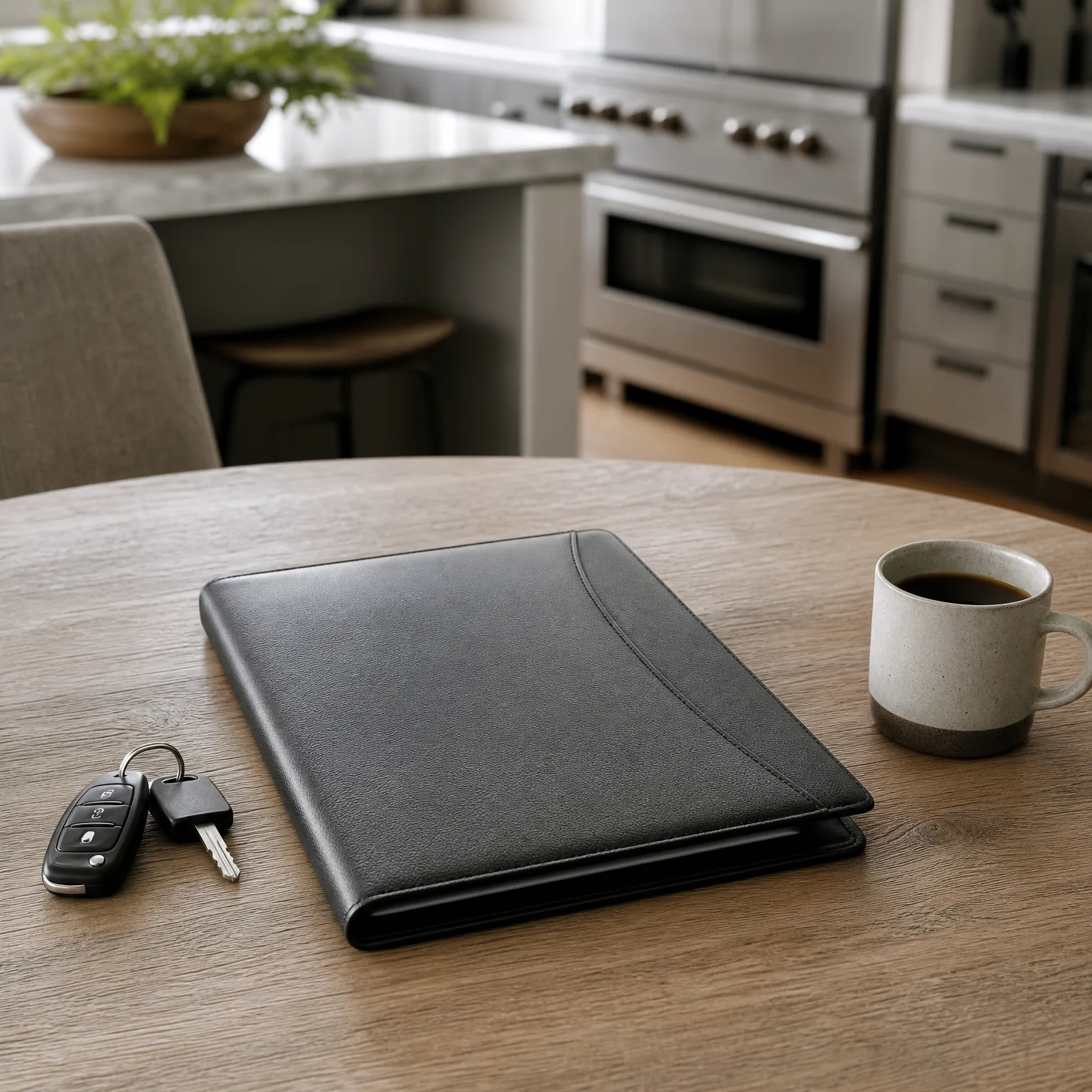
What actually counts as a lapse and what to do about each case
- Any gap with no policy Even a short gap between policies can count. Check the exact cancellation and start dates on your records so you know whether a true gap exists.
- Only using someone else's policy Driving a friend's or relative's insured car doesn't create a lapse for you, but it also doesn't build your own coverage history. Consider a non-owner policy if you drive often.
- Cancellation for nonpayment This counts as a lapse and is treated more harshly than a gap from simply not owning a car. Set up autopay or reminders if you ever hold a policy in your name.
- State grace period rules Some places allow a short buffer before a gap counts against you. Ask any insurer you're considering what their own threshold is before assuming a short gap is harmless.
- Needing a filing like an SR-22 If you need an SR-22 or similar filing, a lapse can restart or extend requirements. Confirm with your state's requirements and the insurer handling the filing.
Borrowing a car for a year, then needing a policy of your own
Say you've been driving your parent's car several times a month for the past year while you save up for your own vehicle. You've never had a policy in your name, and you assumed that was fine since their insurance covers the car whenever you drive it. Then a job offer in another city means you need a car of your own within a few weeks, and you go to get a quote.
The insurer asks about your coverage history and finds nothing under your name for the past year, even though you were driving regularly and responsibly. Because there's no record to show continuity, they price your new policy as if you were a new driver rather than an experienced one. You ask about it and learn that a non-owner policy during that borrowing period would have kept a record on file, even with no car of your own. You can't go back and fix the past year, but you take out a policy immediately and ask the insurer what it takes to requalify for a better rate after a few months of consistent payment history.