Is Non Owner Insurance Worth It in the City
For most city drivers who borrow or rent cars regularly, yes, because it covers you when the car's own insurance doesn't.
What to weigh before you decide
- How often you actually drive If you're behind the wheel of someone else's car more than a few times a year, the gap in coverage adds up. Count the actual occasions, not just the one that worries you.
- Whose insurance pays first The car owner's policy is normally first in line after an accident, and yours would step in after. Ask the car owner what their liability limits are before you assume you're covered.
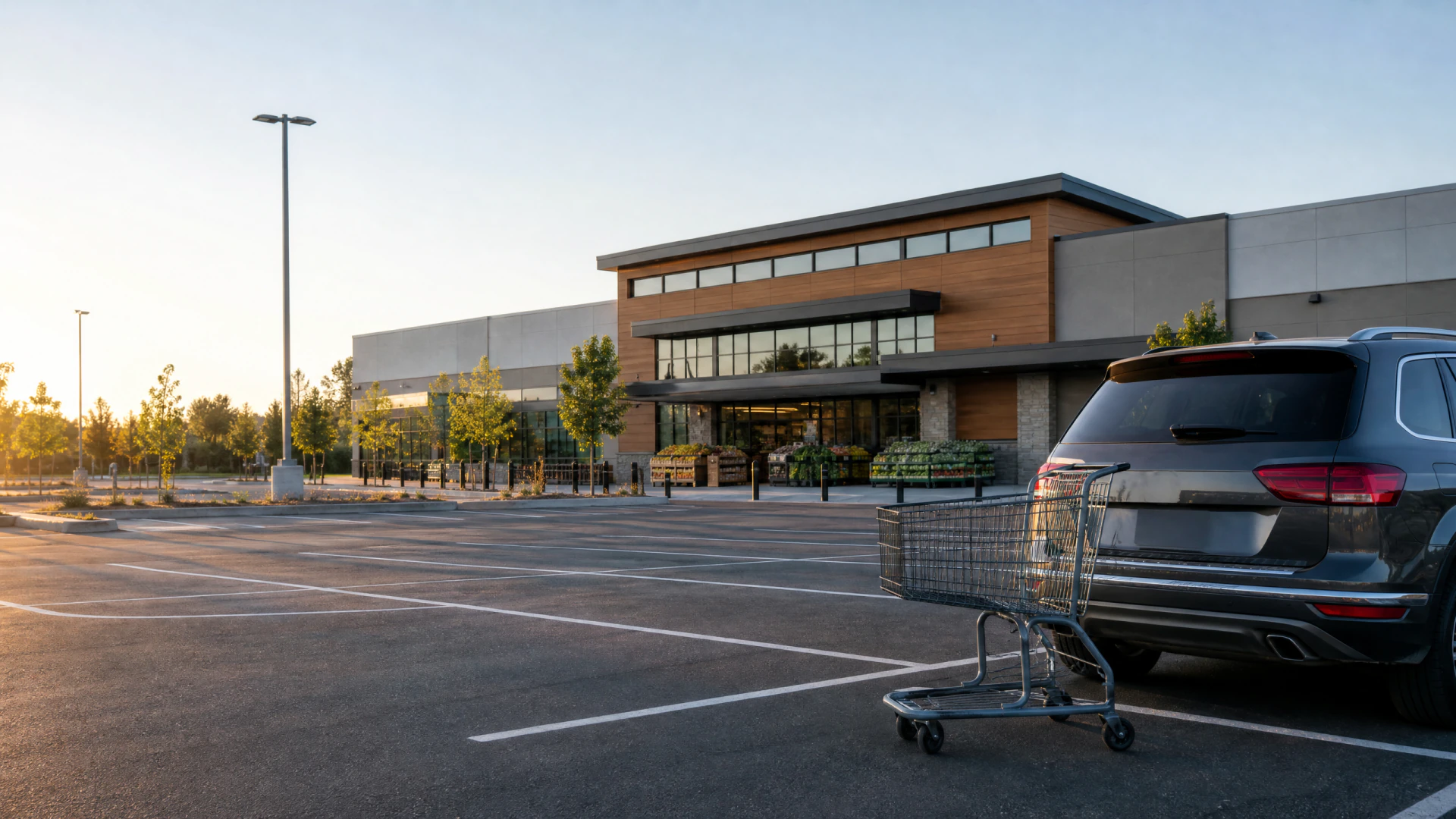
- Rental car habits Rental company coverage is usually optional and expensive by the day. A non-owner policy often covers rentals too, so check the wording before you decline the counter coverage.
- Keeping prior coverage alive A break in insurance history can raise what you pay once you do buy a car. A non-owner policy keeps that history continuous without you owning anything.
- Any state filing requirement If a court or state agency requires proof of insurance from you, a non-owner policy can satisfy that. Confirm with whoever imposed the requirement that this type of policy qualifies.
Borrowing a friend's car on weekends
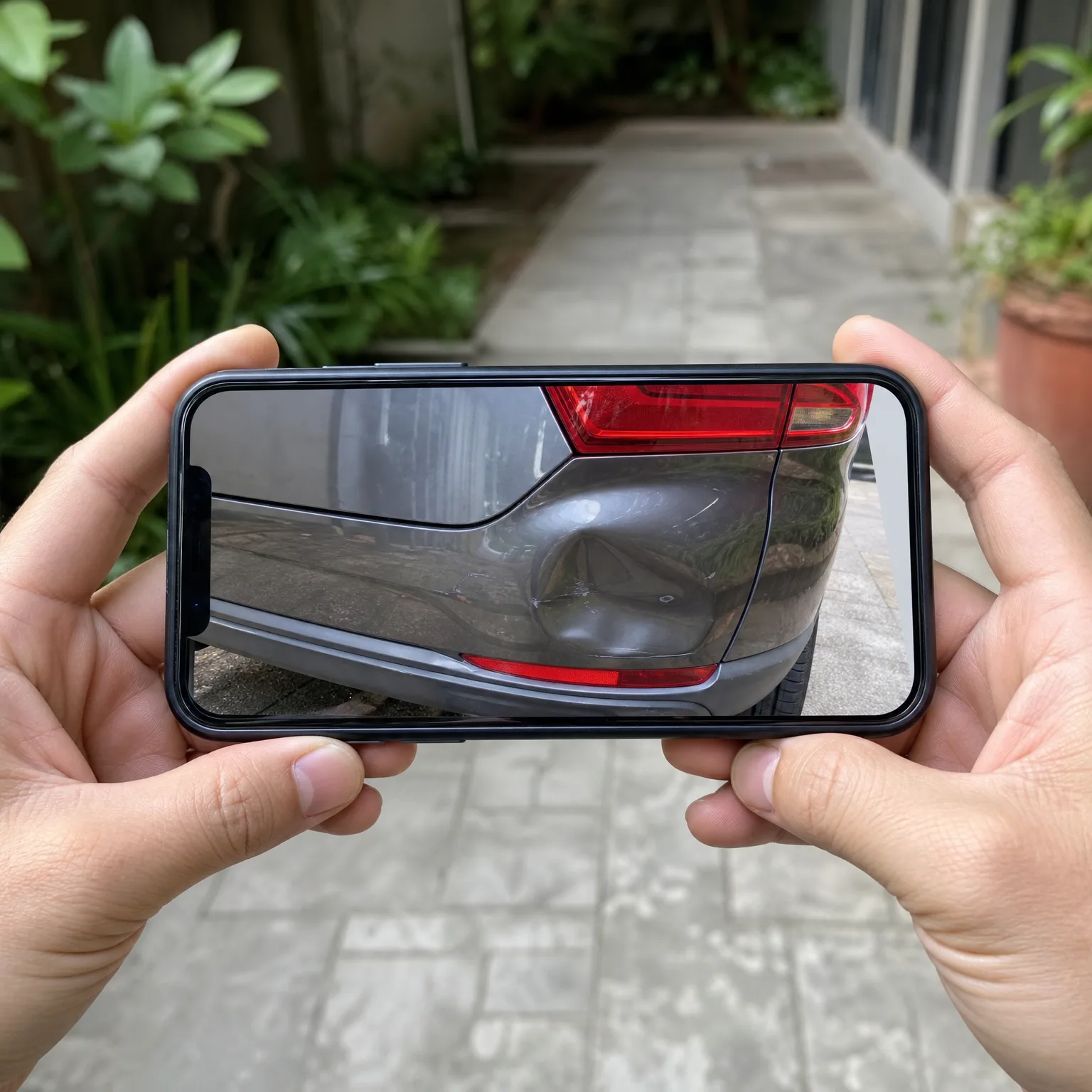
Say you live in a city, don't own a car, but borrow your roommate's car most weekends to run errands or visit family a few hours away. You've never had an accident, so you hadn't thought about insurance since the car is already insured. Then one weekend you're in a minor collision that's your fault, and the damage and the other driver's medical bills come to more than your roommate's liability limits cover.
Your roommate's insurer pays up to their limit, then stops. Without your own policy, you are personally responsible for the rest, and that can mean a lawsuit against you directly. Someone in this position who had bought a non-owner policy beforehand would have had that policy step in once the roommate's limits ran out, covering the remaining liability instead of leaving it to personal assets. The policy cost little next to what it protected, and it kept their insurance record continuous for whenever they do buy a car.

Buying a non-owner policy or skipping it
If you do
You're covered when you drive cars you don't own, beyond what the owner's policy pays, and your insurance history stays unbroken. If a state or court requires proof of insurance, this satisfies it. You pay for a policy you might use only occasionally, but the protection applies every time you're behind the wheel.
If you don't
You save the cost of a policy you might rarely need. But if you're ever in an accident driving a borrowed or rented car, you're personally on the hook for anything beyond the owner's limits, and any gap in your insurance history can raise costs later when you do buy a car.
If regular borrowing or renting puts you at risk for more than the owner's policy covers, compare non-owner quotes now.
Why coverage doesn't automatically follow you
Insurance is built around the car first, not the driver. A policy is written to a specific vehicle, and the limits attached to that policy are what apply no matter who's driving it with permission. That protects the owner, but it means a permitted driver without their own policy is relying entirely on someone else's limits, which may be lower than what a judgment against them could reach.
A non-owner policy exists specifically to cover the gap between what the car's policy pays and what you might owe personally. It only applies to liability, meaning damage or injury you cause to others, not damage to the car you're driving, since there's no vehicle for it to be attached to. That distinction matters because people sometimes expect it to replace the owner's collision coverage, and it doesn't.
Whether you need it depends mostly on frequency and exposure. Someone who drives a borrowed car twice a year has less at stake than someone who drives one every weekend, because the odds of ever needing the coverage rise with how often you're on the road. City driving in particular means more traffic, more pedestrians, and more opportunities for a costly claim, which raises the value of having your own limits available.
State rules and insurer rules both affect the details, including what counts as a qualifying driving pattern and whether rental cars are automatically included. Check both your state's requirements and the specific policy's terms before assuming either one. What's constant is the logic underneath it, that the car's policy pays first and yours is there for what's left.
The car's insurance protects its owner, not you, past their limits, so that risk is personally yours.