How Do I File an SR-22 Form
You don't file it yourself, your insurer files it electronically with the state once you buy a policy that includes it.
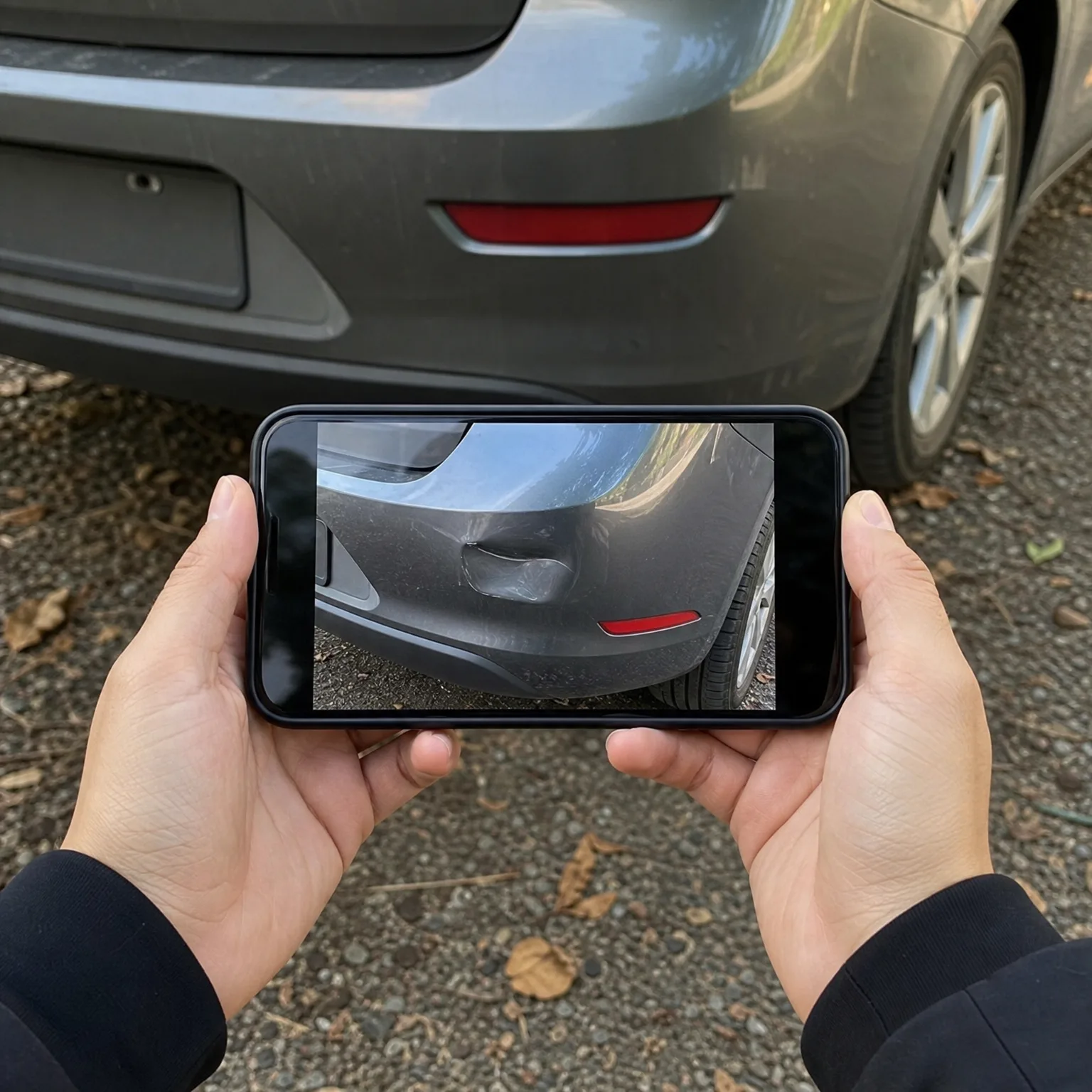
Filing an SR-22 without a car comes down to this
- Get a non-owner policy Since you don't own a car, you need a non-owner liability policy to attach the SR-22 to. Call insurers directly and tell them you need an SR-22 with a non-owner policy.
- Insurer files it for you You never touch the form yourself. The insurance company sends it straight to your state's motor vehicle agency, usually within a day or two of your policy starting.
- Confirm your state's requirement How long you must carry it and which agency receives it varies by state. Check with your state's motor vehicle department or your insurer to be sure.
- Keep the policy active The filing only stays valid while the policy behind it stays active. If the policy lapses, your insurer notifies the state, which can restart or extend your requirement.
- Ask about the fee Insurers often charge a small fee to process the filing. Ask upfront so it's not a surprise on your first bill.
Can I get an SR-22 without owning a car?
Yes. This is exactly what a non-owner policy is for. It gives you liability coverage that exists independently of any specific vehicle, which is what the SR-22 needs to attach to.
When you drive a car you don't own, whether it's borrowed, rented, or belongs to family, the vehicle's own insurance is the primary coverage in an accident. A non-owner policy sits behind that as your personal liability backup, and it's also what lets your insurer file the SR-22 in your name rather than tied to a car's title.
Not every insurer offers non-owner policies, and not all of those that do will attach an SR-22 to one. Call ahead and ask specifically for both before assuming any quote applies to you.
Now that you know a non-owner policy is how you get this filed, compare quotes for one and get the SR-22 moving.

Whether you get a non-owner policy with the SR-22
If you do
Your insurer files the SR-22 directly with the state, often within a day or two. You get proof of compliance, your license stays valid or gets reinstated, and you're covered with liability protection any time you drive a car that isn't yours.
If you don't
Without a policy to attach it to, there's no SR-22 to file. Your license stays suspended or never gets reinstated, and you still face personal liability if you drive someone else's car and cause damage. The requirement doesn't go away on its own.
Why the filing works this way
An SR-22 isn't actually an insurance policy. It's a certificate your insurer sends to the state confirming you carry the minimum liability coverage required after certain violations or filing requirements. Because it's just a confirmation, it has to attach to an actual policy, and if you don't own a car, that policy has to be a non-owner policy built for exactly this situation.
The state doesn't deal with you directly on this. It deals with insurers, who are set up to file these electronically the moment your policy takes effect. That's why you never fill out or submit the form yourself. Your only job is choosing an insurer that offers both a non-owner policy and SR-22 filing, since not every company does both.
This matters more than people expect because the filing is only as good as the policy underneath it. If you let the non-owner policy lapse or cancel it early, your insurer is required to report that to the state, which can restart your filing period or extend how long you need to carry it. Treat the policy as the thing keeping your status clean, not a one-time task you finish and forget.
Where this gets different is state to state. Some states want the filing for a set stretch of time, others have different rules about what counts as a lapse, and the agency that receives it isn't the same everywhere. None of that changes the basic mechanism, but it's worth confirming with your state so you know exactly what you're maintaining and for how long.
How much does a non-owner SR-22 policy cost?
It depends on your state, your driving record, and the insurer, so there's no single figure that applies to everyone. What you can control is comparing quotes from insurers that specifically offer non-owner policies with SR-22 filing, since pricing and fees vary between them. Ask each insurer directly whether the SR-22 filing fee is separate from the policy premium, since some bundle it and some don't.
What happens if my SR-22 policy lapses?
Your insurer reports the lapse to the state, and that typically suspends your license again or restarts your filing period. This is the main risk with non-owner SR-22 policies, since there's no car payment or lender reminding you to keep it current. Check your state's specific consequence for a lapse, since some restart the clock entirely while others add time rather than resetting it.
Do I need an SR-22 if I only drive other people's cars?
If a court or your state has already told you to file one, yes, regardless of whether you own a car. The requirement comes from your driving record or a legal order, not from vehicle ownership. If you haven't been told you need one, driving other people's cars doesn't by itself create the requirement, but check with your state's motor vehicle agency if you're unsure why it was mentioned to you.