What Non Owner Policies Do Not Cover
A non-owner policy covers liability when you're at fault, but not damage to the car or your own injuries.
It's built to follow you, not a car you don't have
A non-owner policy exists to cover the gap where insurance usually follows the car instead of the driver. Since you don't own the car you're driving, the policy is written around you personally, and it only promises to pay for harm you cause to other people and their property. It was never designed to protect a vehicle, because there's no vehicle tied to the policy to protect.
That's why physical damage coverage, the kind that pays to repair or replace a car, isn't part of it. If you borrow a car and damage it, or if it's stolen while you're driving it, this policy has nothing to say about that. The owner's own insurance is what normally covers their car, and that doesn't change just because you're behind the wheel.
Medical payments for you are usually left out too, or offered only in a limited way depending on the insurer. The policy is about what you owe someone else after an accident, not about covering your own recovery. Some insurers add optional pieces, like coverage for a rental car or limited medical coverage, but these vary and aren't guaranteed to exist everywhere.
Where you live also shapes some of this. A few states handle minimum coverage requirements differently, and insurers differ in what optional add-ons they'll sell with a non-owner policy. Check what your state requires and what your specific insurer offers before assuming any gap is automatically filled.
Does the car owner's insurance cover the rest?
Often yes, but not always and not completely. When you drive someone else's car with their permission, their insurance is typically the primary coverage for damage to their car. Your non-owner policy usually sits behind it, stepping in mainly for liability if their limits aren't enough to cover what you owe someone else.
This depends heavily on the owner's policy terms, their state's rules, and whether they listed you as a permitted driver. If they carry minimal coverage, or if you drive their car often enough that insurers expect you to be listed on their policy, there could be a real gap. Ask the owner what their policy covers and check with your own insurer about how the two policies would work together.

Getting a non-owner policy before you need one
If you do
If you get a policy now, you have liability coverage in place before you ever borrow a car again. If you cause an accident, your policy pays for the other person's damage and injuries up to its limits, and you avoid a lapse that could raise your costs later.
If you don't
If you skip it, you're relying entirely on the car owner's insurance every time you drive. If their coverage is thin or they didn't list you as a driver, you could be personally responsible for costs beyond what their policy pays, with nothing behind you.
Now that you know what's left uncovered, compare non-owner quotes to see what each insurer adds back in.

What a non-owner policy leaves out
- Damage to the car Repairs or replacement for the car you're driving aren't covered. That's the owner's insurance, so confirm what their policy includes before you borrow.
- Your own injuries Medical costs for you usually aren't included or are limited. Ask your insurer directly what, if anything, applies to you.
- Theft or vandalism If the car is stolen or damaged while parked, this policy won't pay for it. That risk stays with the owner's coverage.
- Rental car protection Coverage for a rental you drive isn't automatic. Some insurers offer it as an add-on, so ask if you rent cars often.
- Cars you own or regularly drive If you buy a car or drive one regularly, a non-owner policy may no longer fit. Check with your insurer when your situation changes.
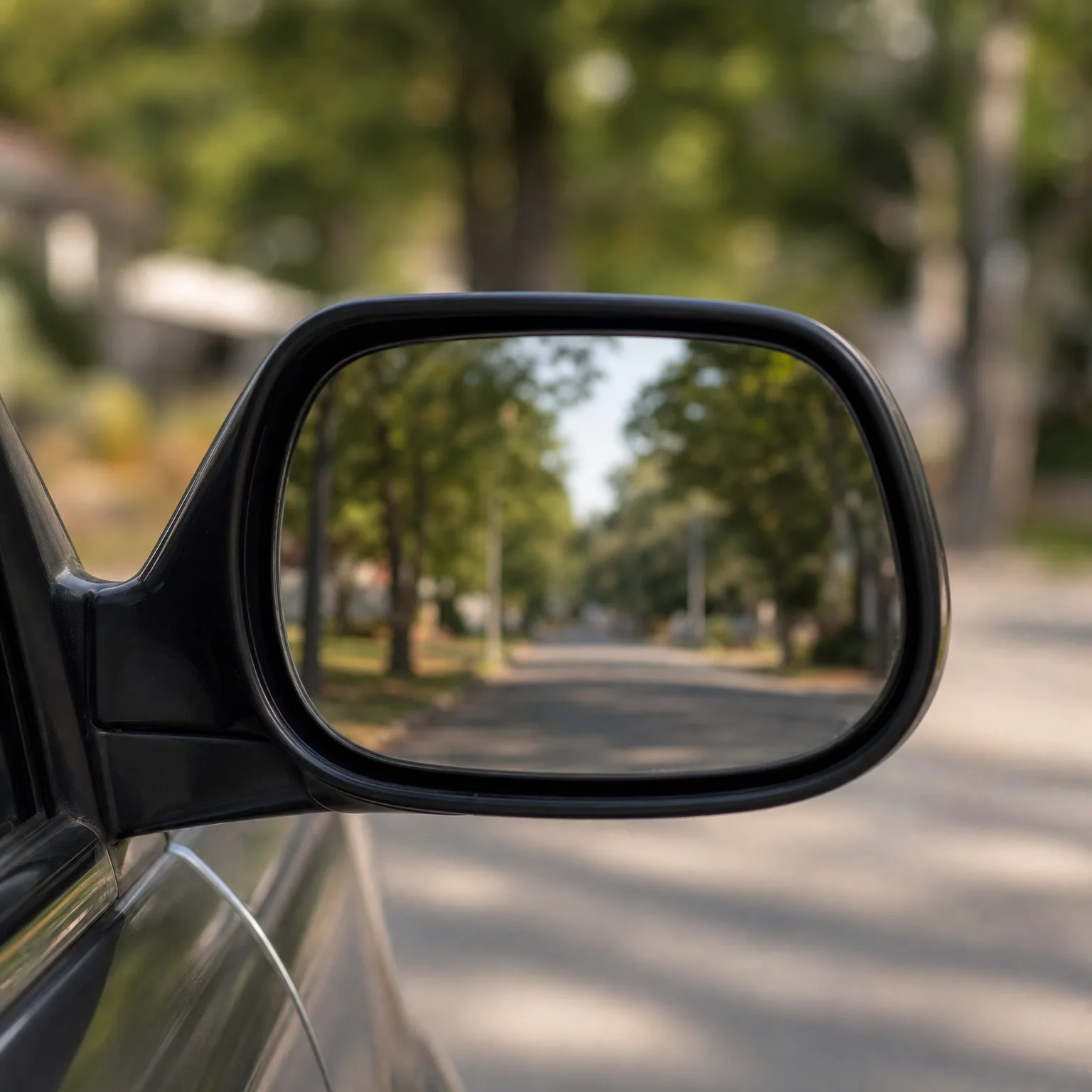
Borrowing a car for a weekend trip
Say you borrow a friend's car for a weekend, and you have a non-owner policy from your months without a car. On the highway, another driver cuts you off, you swerve, and you clip a guardrail. Your friend's car needs bodywork, and your own shoulder is sore from the seatbelt.
Your friend's insurance pays for their car's repairs, since that coverage follows the vehicle. Your non-owner policy doesn't touch the car damage at all. If another driver had been hurt or their property damaged and you were at fault, your policy would step in for that liability. But your sore shoulder is yours to handle, since the policy wasn't written to cover your injuries in a car you don't own. You walk away understanding exactly where your coverage started and stopped.
This policy protects what you owe others, not the car you're driving or yourself in it.