Is Car Sharing a Good Idea
Car sharing is a good idea once you close the insurance gap it opens between the owner's policy and your own liability.
The savings are real, but so is the exposure
Car sharing solves a real problem. You get a vehicle when you need one without paying to insure and maintain a car that sits idle most days. For people who drive occasionally, that trade can save real money and hassle.
The catch is how insurance actually works when you're behind someone else's wheel. The owner's policy is usually primary, meaning it pays first after an accident. But primary doesn't mean complete. Many policies have limits that are lower than what a serious accident can cost, and once those limits are used up, whoever is found responsible can be personally on the hook for the rest. If that's you, your own assets are exposed unless you have coverage that steps in.
This is where a non-owner policy earns its keep. It doesn't cover the car, since you don't own one, but it covers you as a driver, adding liability protection on top of whatever the owner's insurance provides. For someone who drives a borrowed or shared car regularly, that extra layer is often the difference between a manageable claim and a financial setback.
How much this matters depends on how often you drive, whose car it is, and what that owner's policy actually includes. A friend's older policy with low limits is a different situation than a car-sharing service with built-in protection. Check the specific coverage before you assume you're fine, because the answer changes from one arrangement to the next.
The short version
Car sharing is a good idea, but only if you understand that the owner's insurance may not fully protect you. Add your own liability coverage if you drive borrowed or shared cars regularly. Check the owner's policy limits first, then decide if you need a non-owner policy.
What happens if I cause an accident in a car that isn't mine?
The owner's insurance typically pays first, up to whatever limits their policy sets. If the damage or injury costs more than those limits cover, you can be personally responsible for the remaining amount, even though you weren't driving your own car.
This is the exact gap a non-owner policy is built to close. It sits behind the owner's coverage and picks up liability costs once their limits are exhausted, up to your own policy's limits. Without it, you're relying entirely on someone else's coverage choices to protect your finances. Whether that risk is worth taking depends on how often you drive and how much you have to lose.
If you've decided you need your own layer of protection for the cars you drive, compare non-owner insurance quotes now.
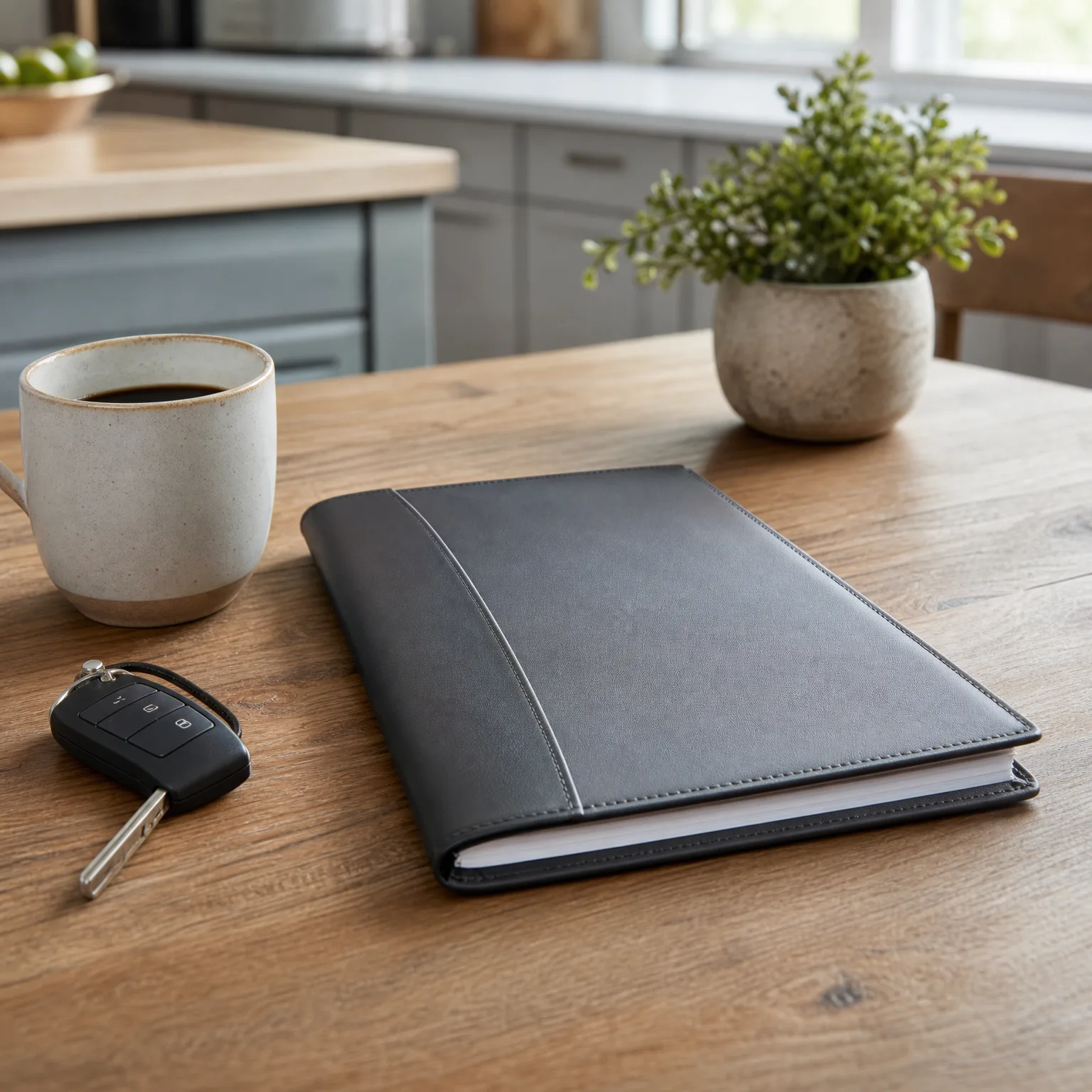
What to check before you rely on car sharing
- The owner's liability limits Ask what their policy actually covers, not just that they have insurance. Low limits mean more exposure for you if something serious happens.
- How often you actually drive Occasional borrowing is different from driving a shared car several times a week. Frequent use makes your own coverage more worth having.
- The service's own coverage Car-sharing platforms sometimes include protection during the rental period. Read what it covers and what it excludes before assuming you're set.
- Your state's liability rules Some states handle shared fault and payout order differently. Check your state's approach so you know how a claim would actually unfold.
- Your own financial exposure Think about what you'd lose if a claim exceeded someone else's limits. That number tells you how much a non-owner policy is actually worth to you.
The owner's insurance protects the car. It doesn't fully protect you, and that gap is yours to close.
Does my friend's insurance cover me if I borrow their car?
Usually yes, as a starting point, since most policies follow the car and extend to anyone driving it with permission. But coverage only goes as far as their policy limits allow. If you cause a costly accident, you can be held responsible for anything beyond what their insurance pays. Ask them what their limits are, and consider whether you need your own liability coverage as a backup, especially if you drive their car often.
Do I need my own insurance if I only drive rental cars?
It depends on what the rental company offers and what your own coverage situation looks like. Rental companies typically offer optional protection for a fee, which can overlap with coverage you already have through other means. If you don't own a car and have no other policy, a non-owner policy can fill that gap more consistently than paying for rental protection every time. Compare the cost and coverage of each option before deciding.
Can I get in trouble for driving without my own car insurance?
Not simply for lacking your own policy, as long as the car you're driving is properly insured and you have permission to drive it. Problems arise if you're driving uninsured entirely, or if your state requires proof of insurance for something unrelated to a specific car, like maintaining a license. Check your state's requirements directly, since rules about what counts as adequate coverage vary.